
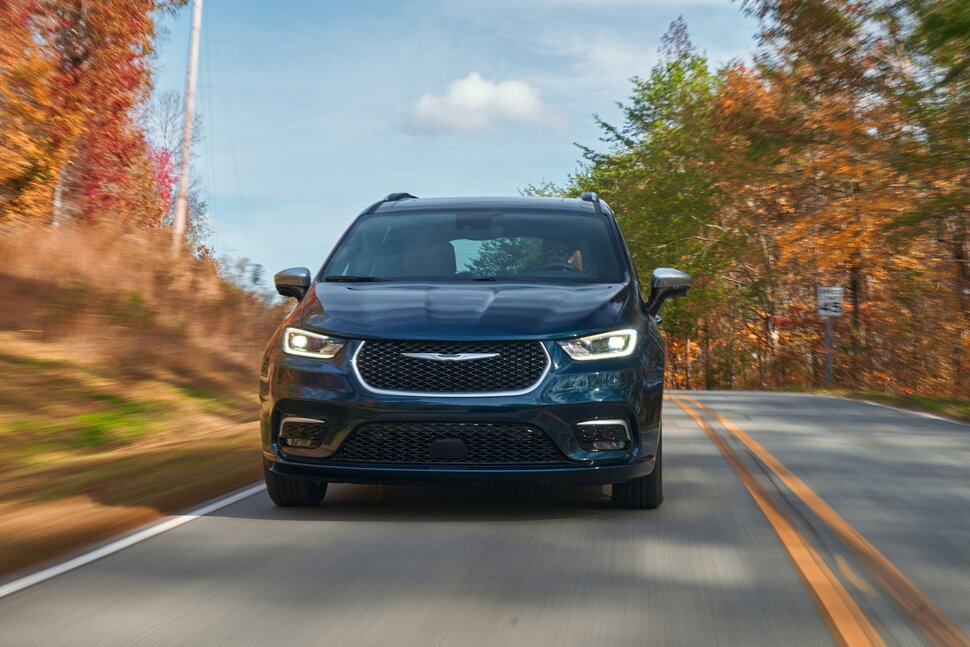
A long drive can expose every weak spot in a family vehicle before the first gas stop. Kids get restless, bags slide around, phones die, snacks vanish, and one bad seat can turn a weekend escape into a rolling complaint box. That is why SUV features matter so much for American families who spend hours crossing interstates, school routes, mountain roads, beach highways, and crowded city exits.
The right SUV does more than carry people. It lowers stress. It gives parents clearer sightlines, gives passengers space to settle in, and gives the whole family a better shot at arriving in a decent mood. For drivers comparing options, trusted family vehicle planning can help connect comfort, safety, and real-life road needs instead of chasing flashy extras that barely help once the trip begins.
A strong family SUV should feel ready before you even pack it. The best choices support family road trips with smart seating, road trip safety tools, quiet cabins, steady handling, and cargo space that does not require a puzzle-solving session every time you load bags.
SUV Features That Make Long Drives Feel Easier
Comfort starts before the wheels move. A family road trip usually fails in small ways first: cramped legs, poor cupholder placement, weak air vents, or seats that feel fine for ten minutes and awful by hour three. A good SUV solves those problems quietly.
Why Seat Comfort Matters More Than Fancy Trim
A premium badge does not mean much if the second row turns into a pressure point factory. Families need seats with real support, enough width, and flexible adjustments that work for adults, teens, and younger kids in boosters.
Captain’s chairs can make a comfortable SUV feel more open, especially when children need space between them. Bench seats work better for larger families or when you need one more passenger spot. The better choice depends on how your family actually rides, not what looks best in a showroom.
Good seat height also matters. Parents loading toddlers into car seats feel the difference every day. Older passengers notice it too when they can step in without dropping low or climbing high.
How Climate Control Keeps Everyone Calm
Cabin temperature can start arguments faster than almost anything else on a long drive. A driver may feel fine while the third row is too warm, or the back seat may freeze while the front stays comfortable.
Three-zone climate control helps because it gives different parts of the cabin their own settings. Rear vents are not a luxury for families in Texas, Florida, Arizona, or anywhere summer heat turns a parked SUV into an oven.
Heated and ventilated seats also help on long-distance drives. They do not replace good seat design, but they reduce fatigue when weather swings from cold mornings to hot afternoons. Small comfort wins stack up over six hours.
Smart Storage and Cargo Space for Real Family Packing
Packing a family SUV is where marketing promises meet reality. Bags are not shaped like brochure photos. Strollers, coolers, sports gear, backpacks, blankets, and emergency kits all fight for the same area. That is where cargo space becomes a daily sanity tool.
What Makes Cargo Space Actually Useful?
Large numbers look nice, but shape matters more than size alone. A wide, flat load floor helps more than a tall, awkward compartment with wheel wells cutting into the sides.
Families should look for low lift-over height, underfloor storage, fold-flat seats, and tie-down points. These details make grocery runs, airport pickups, camping weekends, and holiday visits easier without forcing you to unload half the vehicle to reach one item.
The best cargo space also works when every seat is in use. Many three-row SUVs lose most of their storage behind the third row. That can become a problem fast when seven people bring luggage.
Small Storage Details That Save Patience
Door pockets, seatback pockets, center console bins, and hidden compartments seem minor until the first hour on the highway. Families need places for wipes, chargers, sunglasses, snacks, tablets, tissues, and water bottles.
A well-designed comfortable SUV gives each passenger a reasonable place to keep personal items. That cuts down on clutter and keeps the driver from becoming the trip’s unpaid storage manager.
USB ports in every row also matter now. Families travel with phones, headphones, tablets, handheld games, and sometimes laptops. Dead batteries create tension. Good storage plus good charging keeps the cabin calmer.
Road Trip Safety Technology Families Should Prioritize
Comfort means little if the driver feels tense the whole way. Modern safety systems help most when they reduce mental load without taking attention away from the road. For families, road trip safety should never be treated as an optional extra.
Driver Assistance That Helps on Highways
Adaptive cruise control can make interstate travel less tiring by helping maintain distance from the vehicle ahead. Lane keeping assistance can reduce drift during long stretches, though drivers should still keep full attention on the road.
Blind spot monitoring deserves special attention. SUVs are larger than sedans, and crowded American highways often leave little room for error. A clear warning before changing lanes can prevent a bad moment from becoming a serious one.
Automatic emergency braking is another feature worth prioritizing. Traffic can stop suddenly near toll plazas, construction zones, and school routes. No system replaces a focused driver, but the right backup can help when reaction time gets squeezed.
Visibility Features That Reduce Stress
A family SUV should help the driver see clearly in tight parking lots, dark roads, and busy neighborhoods. Surround-view cameras make parking near hotels, restaurants, and theme parks much easier.
Good headlights matter more than many buyers expect. Rural roads, rain, fog, and poorly marked exits can turn nighttime driving into hard work. Strong lighting gives the driver more confidence and more time to react.
Rear cross-traffic alert is also useful when backing out of crowded parking spaces. On family road trips, those spaces are often packed with distracted pedestrians, carts, and vehicles moving from all directions.
Entertainment, Ride Quality, and Cabin Peace
A road trip is not only about reaching the destination. The cabin becomes a temporary family room, snack station, nap zone, and quiet corner. The better the SUV handles noise and movement, the less everyone feels worn down.
Entertainment That Does Not Take Over the Trip
Rear-seat screens can help on long drives, but they should not be the whole plan. A strong infotainment system needs simple menus, reliable phone pairing, and easy audio controls that do not distract the driver.
Wireless Apple CarPlay and Android Auto are useful because families rely on navigation, playlists, podcasts, and calls. Built-in Wi-Fi can also help when crossing areas where passengers want steady access for tablets or homework.
Good entertainment works best when it stays easy. Too many menus, slow screens, or confusing controls can frustrate parents at the worst time. The system should serve the trip, not demand attention from it.
Ride Quality That Keeps Fatigue Low
A quiet cabin changes the whole mood of a drive. Less road noise means easier conversation, better naps, and lower stress for the driver. Families may not notice sound insulation during a short test drive, but they will notice it after three hours.
Suspension tuning matters too. A stiff SUV can feel sporty around town but tiring on broken pavement, bridge joints, and older highways. A soft ride can feel pleasant, but it should still feel controlled when loaded with people and bags.
The best family SUV finds balance. It feels steady, calm, and predictable without making every bump part of the conversation. That kind of comfort pays off mile after mile.
Conclusion
The best family SUV is not the one with the longest feature list. It is the one that removes friction from real travel: the tired child in the back, the cooler that will not fit, the dark highway exit, the phone at five percent, the driver trying to stay calm in traffic.
Families should shop with their actual habits in mind. Think about how many people ride with you, how much gear comes along, how often you take family road trips, and which comfort problems keep showing up in your current vehicle. A showroom feature only matters if it solves a problem you already live with.
When you compare SUV features, focus on the details that protect energy, attention, and patience. Choose the SUV that makes the road feel less demanding, because the best family trips begin with a vehicle that lets everyone breathe.
Frequently Asked Questions
What SUV features are best for long family road trips?
The best features include supportive seating, rear climate control, strong cargo space, blind spot monitoring, adaptive cruise control, multiple USB ports, and a quiet cabin. These features reduce stress for the driver and keep passengers more comfortable during long hours on the road.
How much cargo space does a family SUV need?
A family SUV should have enough cargo space for luggage, strollers, sports bags, coolers, and emergency items without blocking rear visibility. Families using all three rows should check storage behind the third row, since that area can shrink fast.
Are three-row SUVs better for family road trips?
Three-row SUVs work well for larger families, carpooling, and trips with grandparents or friends. Smaller families may still prefer them for extra storage flexibility. The key is checking whether the third row is comfortable enough for real passengers, not only short rides.
Which road trip safety features should families look for?
Families should prioritize automatic emergency braking, blind spot monitoring, rear cross-traffic alert, lane keeping assistance, adaptive cruise control, and strong headlights. These tools help reduce driver strain and add protection during highway travel, parking, and heavy traffic.
Is a comfortable SUV worth paying more for?
A comfortable SUV can be worth the added cost when your family drives often or takes long trips. Better seats, quieter cabins, smoother suspension, and stronger climate control can reduce fatigue and make the vehicle easier to live with every week.
Do rear entertainment screens matter in family SUVs?
Rear screens can help on long drives, especially with younger passengers, but they are not always necessary. Reliable phone pairing, charging ports, Wi-Fi, and simple audio controls often matter more because they support the devices families already use.
What makes an SUV good for kids and car seats?
Wide rear doors, accessible latch anchors, flat seat cushions, good second-row space, and easy third-row access make an SUV better for kids. Parents should test car seat installation before buying because some cabins look roomy but feel awkward during daily use.
Should families choose captain’s chairs or a bench seat?
Captain’s chairs improve aisle access and give passengers more personal space. A bench seat adds one extra seating position and may work better for larger families. The right choice depends on passenger count, car seat needs, and how often the third row is used.