A small apartment can feel generous when every inch has a clear job. The mistake many renters and owners make is treating size as the enemy, when the real problem is usually wasted space, weak storage, and furniture that asks for more room than it gives back.
For many Americans living in studios, city apartments, college rentals, and downsized homes, compact apartment interiors need more than cute décor. They need decisions that make daily life easier. A narrow entry, a tiny kitchen, or a living room that doubles as a workspace can still feel calm when the layout supports how you move, cook, rest, and store your things. Good design does not mean buying everything new. It means choosing pieces with purpose, editing what competes for attention, and making the room work before you worry about making it pretty. Helpful home improvement resources like smart living guides can also support better choices when you want practical ideas that suit American apartments, not showroom spaces.
The best small homes do not pretend to be large. They become sharper, lighter, and more intentional than larger rooms that get away with sloppy planning.
Compact Apartment Interiors Start With Smarter Layout Choices
A small apartment reveals bad layout choices faster than any large house ever will. One oversized sofa, one poorly placed bookcase, or one table sitting in the wrong traffic path can make the whole place feel tense. The goal is not to push everything against the wall and hope for breathing room. The goal is to create a natural rhythm, so your body can move through the apartment without bumping into decisions you regret.
Apartment layout ideas that protect walking space
Good apartment layout ideas begin with movement, not decoration. Walk from the front door to the kitchen, from the bed to the bathroom, and from the sofa to the window. Those routes should stay open because they are the invisible bones of the apartment. When those paths work, the room feels larger before you change a single color.
Many small American apartments have one main room doing several jobs at once. A studio in Chicago might need a sleeping zone, eating spot, desk area, and lounge space inside one rectangle. Instead of dividing the room with bulky furniture, use rugs, lighting, and furniture direction to create soft zones. A sofa facing away from the bed can suggest a living area without building a wall.
The counterintuitive move is leaving some floor space empty. Empty space feels wasteful when square footage is limited, but it gives the room confidence. A bare strip beside the sofa, a clear corner near the window, or an open path beside the bed tells your eye that the apartment has room to breathe.
Why furniture scale matters more than furniture count
Furniture scale can make or break a small home. A compact apartment can handle several pieces if each one respects the room. It can also feel crowded with only three pieces if they are too deep, too tall, or too visually heavy. Size is not only about inches. It is also about how much attention a piece demands.
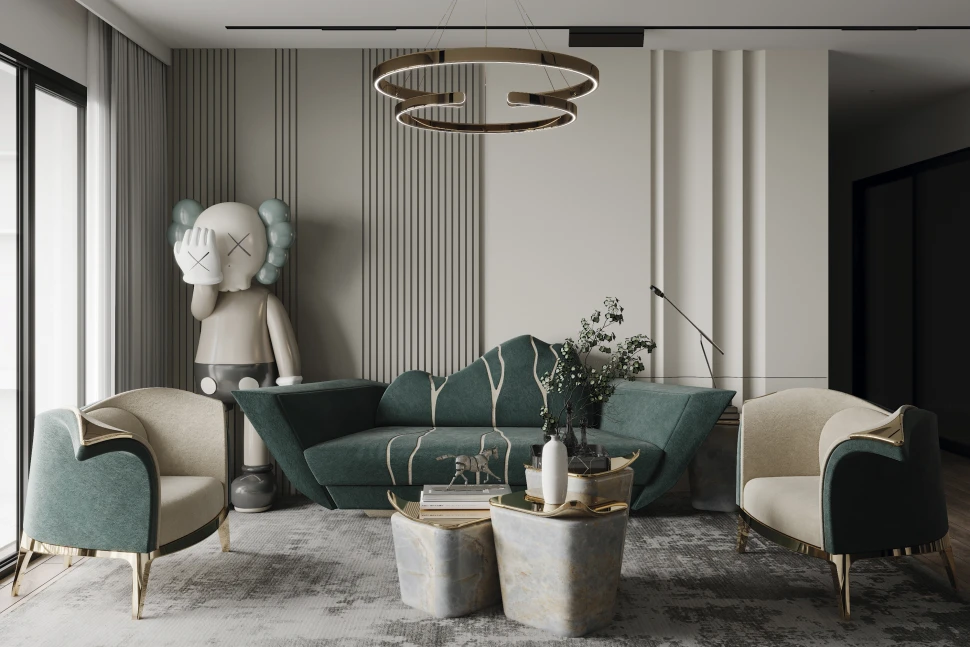
A low-profile sofa with exposed legs often works better than a boxy sectional because you can see more floor beneath it. A round dining table softens tight corners better than a sharp rectangular one. In a small living room, two slim chairs may serve guests better than one heavy recliner that eats the whole corner.
Good scale also means resisting furniture meant for suburban houses. Many U.S. furniture stores sell pieces designed for open-plan family rooms, not 650-square-foot apartments. Measure before buying, tape the outline on the floor, and leave clearance around doors, drawers, and walkways. The tape never lies.
Storage Should Hide the Mess Without Hiding Your Life
Once the layout works, storage decides whether the apartment stays livable. Small homes rarely fail because people own too many things in general. They fail because everyday items have nowhere easy to land. Shoes collect by the door, mail spreads across the counter, and cleaning supplies float from closet to closet. The apartment starts to feel smaller because friction piles up in plain sight.
Small apartment storage that works every day
Small apartment storage should support daily habits instead of fighting them. If you drop keys near the door, place a small wall shelf there. If shoes never reach the closet, add a closed shoe cabinet in the entry. If blankets end up on the sofa, use an ottoman with storage instead of pretending everyone will fold them into a distant closet.
The best storage lives where the problem happens. A rolling cart beside a tiny kitchen counter can hold oils, spices, and towels. A slim cabinet behind the bathroom door can handle toilet paper and skincare. A storage bench under a window can hold seasonal items while giving you a place to sit.
Closed storage matters because visual noise shrinks a room. Open shelves can look lovely, but they demand discipline. In a small apartment, a few open shelves for books, plants, and bowls feel personal. Too many open shelves become a public display of every charger, receipt, and half-used candle you own.
Vertical storage without the cramped feeling
Vertical storage earns its place when the floor cannot carry more weight. Tall bookcases, wall-mounted shelves, peg rails, and over-door organizers can make a small apartment work harder. The trick is keeping vertical storage intentional so the walls do not feel like they are closing in.
A tall shelf should look anchored, not random. Place heavier objects near the bottom, keep the middle shelves useful, and leave a little breathing room near eye level. Packed shelves from floor to ceiling can feel like a storage unit. Edited shelves feel like architecture.
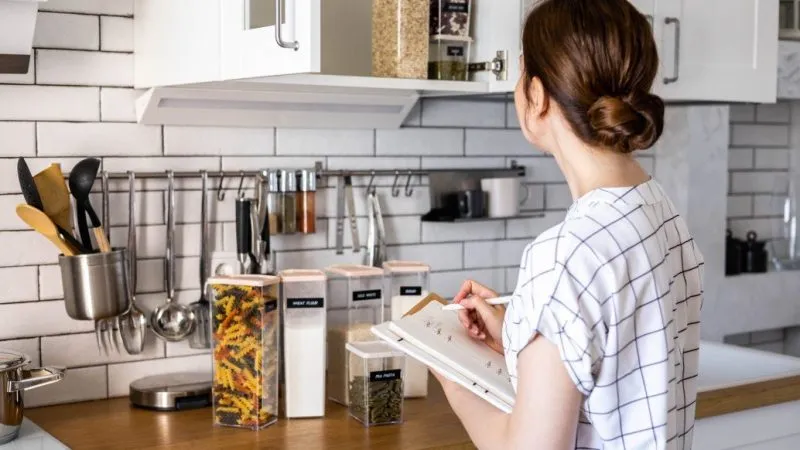
In kitchens, vertical storage can rescue tight cabinets. Magnetic strips, hanging rails, and stacked pantry bins give small kitchens a fighting chance. The same idea works in closets with double hanging rods, shelf dividers, and labeled bins. Good storage does not ask you to become a different person. It meets your habits and quietly improves them.
Multifunctional Furniture Must Earn Its Floor Space
Furniture in a small apartment cannot afford to be lazy. A table that only looks nice but never gets used is stealing rent money from you. A chair that blocks a cabinet becomes a daily annoyance. Multifunctional furniture works because it respects the pressure small homes live under, but it still needs comfort, proportion, and a reason to exist.
Multifunctional furniture that feels natural
Multifunctional furniture should not feel like a compromise you tolerate. A storage bed can hold off-season clothes without changing how the bedroom feels. A drop-leaf table can serve breakfast on weekdays and dinner for guests on Saturday. A sleeper sofa can work in a studio if the mattress opens easily and the sofa still feels good during normal evenings.
The strongest pieces solve problems quietly. A coffee table with drawers hides remotes and chargers. A desk that folds into the wall helps a living room become a workspace without making the room feel like an office all weekend. Nesting tables give you extra surfaces when people visit, then disappear when the room needs air.
Avoid pieces that promise too much. Some convertible furniture tries to be a sofa, bed, desk, shelf, and dining table at once. That sounds clever until every function feels awkward. In a small apartment, one piece doing two jobs well beats one piece doing five jobs badly.
When built-ins and renter-friendly fixes make sense
Built-ins can transform a compact home, but renters need options that do not risk the security deposit. Freestanding wardrobes, modular shelving, tension rods, removable hooks, and peel-and-stick backsplash panels can change how a space works without permanent construction. A New York renter can still create a polished entry zone with a narrow cabinet, mirror, and hooks.
Built-ins make more sense for owners or long-term residents. A wall of shallow cabinets around a bed can replace a dresser, nightstand, and storage bins. A custom banquette in a dining nook can hold cookware, linens, or board games. The gain comes from fitting storage to awkward space instead of forcing standard furniture into odd corners.
The unexpected truth is that custom-looking design does not always require custom spending. Matching bookcases, painted in the same tone as the wall, can mimic a built-in. A simple curtain can hide utility shelving. A clean row of identical bins can turn a chaotic closet into something that feels planned.
Light, Color, and Clutter-Free Living Change the Mood
After layout, storage, and furniture start working together, the apartment needs a calmer visual field. Light and color do more than decorate. They influence how large the room feels, how restful it seems after work, and how easily your eye moves across the space. Clutter-free living is not about owning nothing. It is about removing the small visual arguments that make a room feel tired.
Clutter-free living through better visual editing
Clutter-free living begins with choosing what deserves attention. A small apartment cannot give every object a starring role. When every surface holds décor, mail, electronics, cups, and half-finished tasks, the room starts speaking too loudly. You do not need minimalism. You need hierarchy.
Pick a few visible moments and protect them. A clean coffee table with one tray, a styled shelf with books and ceramics, or a tidy nightstand with a lamp and dish can make the whole apartment feel more composed. The rest can live behind doors, inside baskets, or in drawers.
American apartments often come with awkward realities: no mudroom, limited closet space, small laundry areas, and shared walls. That makes editing more valuable, not less. Keep a donation bag in the closet, review storage bins twice a year, and stop saving items for an imaginary future home that does not match your current life.
Light, mirrors, and color choices that expand the room
Light colors can help, but white paint alone will not save a poorly planned room. A soft neutral wall, warm wood, and a few darker accents often feel richer than a flat white box. The key is contrast control. Too many competing colors chop the apartment into pieces, while a limited palette lets the eye travel.
Mirrors work best when they reflect something worth doubling. Place one across from a window, beside a lamp, or near a brighter wall. Avoid reflecting clutter, blank darkness, or the busiest part of the kitchen. A mirror should add depth, not repeat the problem.
Lighting needs layers. Ceiling lights often flatten a room, especially in rentals. Add a floor lamp near the sofa, a table lamp by the bed, and under-cabinet lighting in the kitchen when possible. For energy-conscious choices, the U.S. Department of Energy offers practical guidance on efficient lighting and home energy decisions. Good lighting makes small rooms feel cared for, and that feeling changes how you use the space.
Conclusion
Small apartments reward honesty. They ask you to admit what you use, what you ignore, what you keep from guilt, and what actually supports the way you live. That is why the best design choices often feel less like decorating and more like editing a busy sentence until only the strong words remain.
The smartest approach to compact apartment interiors is not chasing a perfect magazine room. It is building a home that lets you move easily, find what you need, rest without visual noise, and enjoy the square footage you already pay for. Start with one area that annoys you daily, such as the entry, kitchen counter, closet, or sofa wall. Fix that point with a better layout, sharper storage, or one hardworking piece of furniture.
Do not wait for a larger apartment to live better. Measure your space this week, remove what blocks your routines, and make one decision that gives the room back to you.
Frequently Asked Questions
What are the best space maximizing tips for small apartments?
Start with clear walking paths, right-sized furniture, and storage placed where clutter begins. Choose pieces that serve more than one purpose, keep surfaces edited, and use vertical space carefully. A small apartment feels larger when daily movement becomes easy.
How can I make compact apartment interiors feel more open?
Use fewer visual interruptions. Keep furniture low where possible, choose a limited color palette, add layered lighting, and place mirrors where they reflect brightness. Avoid blocking windows with tall furniture because natural light does more for openness than extra décor.
What small apartment storage ideas work for renters?
Renters can use storage benches, rolling carts, freestanding wardrobes, over-door organizers, removable hooks, and under-bed bins. These options add function without drilling into walls or changing permanent fixtures, making them useful for leases with strict rules.
Which multifunctional furniture is worth buying for a studio apartment?
A storage bed, drop-leaf dining table, sleeper sofa, nesting tables, and wall-mounted desk can work well in a studio. Choose pieces that feel comfortable in their main role first, then judge the second function. Comfort still matters.
How do apartment layout ideas help a room feel bigger?
Strong layouts protect movement and separate zones without building barriers. A sofa can define a living area, a rug can mark a workspace, and a clear path can make the whole apartment feel calmer. Layout controls how the room behaves.
How do I keep clutter-free living realistic in a small apartment?
Give everyday items obvious homes near where you use them. Keep closed storage for messy categories, review belongings regularly, and leave some surfaces empty. The goal is not perfection. The goal is making cleanup fast enough that you will actually do it.
What colors work best for compact apartment interiors?
Soft neutrals, warm whites, muted greens, pale taupes, and gentle grays often work well because they reflect light without feeling cold. Add depth with wood, black accents, or textured fabrics. A limited palette makes small rooms feel more connected.
How can I decorate a small apartment without making it crowded?
Choose fewer, stronger pieces instead of many small decorations. Use wall art, lamps, textiles, and plants with intention. Keep decorative objects grouped rather than scattered across every surface. A small home can have personality without becoming visually crowded.