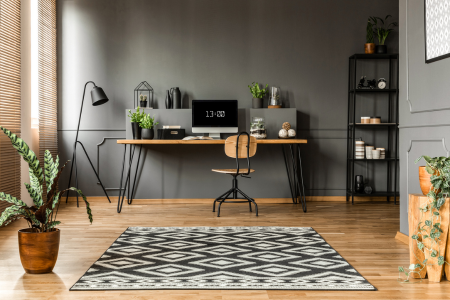
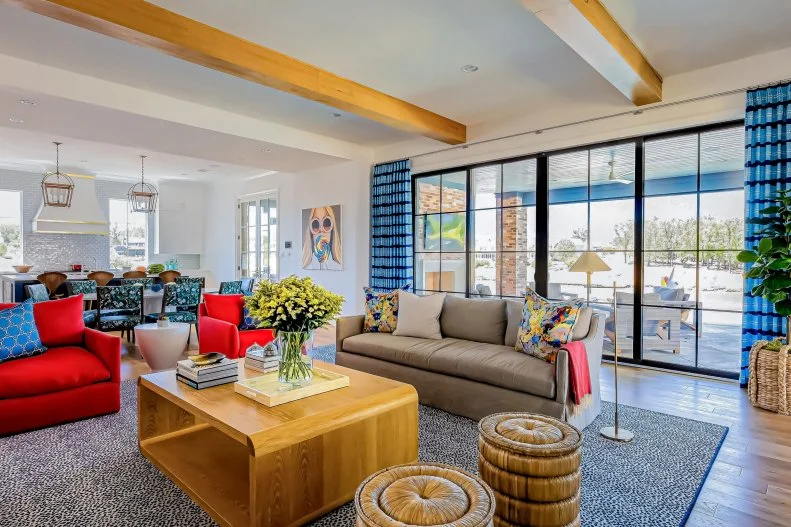
A room can look expensive and still feel wrong the second you walk into it. Most American homes do not suffer from a lack of furniture; they suffer from pieces placed without a clear purpose, which is why home furniture arrangement matters more than another shopping trip. A sofa pushed against the wrong wall, a dining table blocking the natural path to the kitchen, or a bed squeezed into the loudest corner can quietly drain comfort from everyday life.
Good arrangement does not mean copying a showroom. It means shaping each room around movement, conversation, light, scale, and the way your household actually lives. A suburban family room in Ohio, a city apartment in Chicago, and a coastal condo in Florida all need different choices, even when the square footage looks similar on paper. Smart interiors begin when furniture stops behaving like decoration and starts doing real work. For homeowners trying to build a stronger home presence, trusted home improvement resources like interior design visibility platforms can also help connect better design ideas with the right audience.
Furniture Arrangement That Starts With How You Actually Live
A balanced room begins before you move a single chair. You need to notice the daily habits that already shape the space: where people drop bags, where guests naturally stand, where the dog naps, where glare hits the TV, and where everyone squeezes past each other at dinner time. The best rooms are not designed from the walls inward. They are designed from the life inside them outward.
How Living Room Layout Ideas Change Daily Comfort
Living rooms carry more pressure than most homeowners admit. They host movie nights, family talks, quick laptop sessions, weekend naps, and the occasional neighbor who stays longer than planned. A layout that only looks good from the entryway will fail the first time four people try to sit down and talk.
Start with the room’s natural anchor. In many U.S. homes, that anchor may be a fireplace, a large window, built-in shelving, or a television wall. The mistake is letting the TV win every time. A better approach is to create a main seating zone where the sofa and chairs face each other enough to support conversation, while still giving the screen a sensible place.
A balanced living room also needs breathing room behind and around furniture. A coffee table that sits too far from the sofa becomes useless, while one placed too close turns every snack run into a shin injury. Most rooms feel better when the coffee table sits within easy reach and walking paths stay open around the seating group.
Why Small Space Furniture Placement Needs Hard Choices
Small homes and apartments punish vague decisions. You cannot keep every inherited chair, extra side table, and oversized sectional simply because each piece has a story. At some point, the room tells the truth: it is crowded because too many pieces are fighting for the same job.
Small space furniture placement works best when every item earns its floor space. A storage ottoman can replace a coffee table. A slim console can hold keys without swallowing a hallway. A round dining table can soften a tight breakfast nook better than a rectangle that traps people against the wall.
The counterintuitive move is leaving empty space on purpose. Many homeowners try to make a small room feel useful by filling every corner, but the empty parts are what make the room livable. Negative space is not wasted space. It is the pause that lets the whole room make sense.
Creating Flow Without Making Rooms Feel Empty
Once the furniture matches your daily habits, the next challenge is movement. A room can have beautiful pieces and still feel tense if people must twist, sidestep, or interrupt each other to get through it. Flow is not about making a room bare. It is about making the path through the room feel natural without turning the space into a hallway.
How Balanced Room Layout Protects Movement
A balanced room layout gives each activity a clear place without forcing the eye or body to work too hard. In an open-plan American home, the living area often connects to the kitchen, dining space, and entryway. When furniture floats without intention, those zones blur into one big unsettled area.
Use rugs, sofa backs, and lighting to mark zones without building walls. A sofa can face the sitting area while its back quietly separates the living room from the kitchen. A rug can define a conversation zone without blocking movement. A pendant light can tell the dining table where it belongs.
Traffic paths should feel obvious. People should not cut through the middle of a seating group to reach the patio door. Kids should not have to squeeze between a recliner and a side table every time they run toward the stairs. Good flow feels almost invisible because nobody has to think about it.
Where Open Concept Furniture Planning Goes Wrong
Open concept furniture planning often fails because homeowners treat the space like one giant room instead of several connected moments. The result is usually a sectional drifting in the middle, bar stools lined up at the island, and a dining table placed wherever it fits after everything else has claimed territory.
A better plan starts by choosing the strongest function for each zone. The kitchen may handle cooking and casual talk. The dining area may support meals and homework. The living space may handle rest and conversation. Once each zone has a job, the furniture can support that job instead of competing across the whole floor.
Scale matters here. Oversized furniture can make an open room feel heavy, while undersized pieces can make it feel scattered. In a newer Texas home with tall ceilings, a small sofa may look lost unless paired with larger art, a wider rug, and stronger side tables. In a New York apartment, the same sofa might feel generous and grounded.
Using Scale, Light, and Shape to Build Balance
A room with good flow still needs visual balance. This is where many people get stuck, because balance does not always mean symmetry. Matching lamps, matching chairs, and matching end tables can work, but they can also make a room feel stiff. Real balance comes from weight, height, texture, color, and light working together.
Why Interior Design Balance Is Not Always Symmetry
Interior design balance often looks relaxed when the pieces are not perfectly matched. A large sofa on one side of the room can be balanced by two lighter chairs, a tall plant, and a floor lamp on the other. The eye cares less about matching pairs than it cares about whether one side feels heavier than the rest.
Think about visual weight. A dark leather recliner feels heavier than a slim linen chair. A tall bookcase carries more presence than a low bench. A chunky coffee table pulls the eye more than a glass one. When you understand weight, you can fix awkward rooms without buying a full set of matching furniture.
Light changes balance too. A sunny window can make one side of a room feel more active, while a dark corner can seem forgotten. Place reflective surfaces, lighter textiles, or a lamp where the room feels visually dead. The goal is not brightness everywhere. The goal is no corner feeling abandoned.
How Home Decor Layout Supports Furniture Choices
Home decor layout should support the furniture instead of covering up weak placement. Artwork, mirrors, pillows, plants, and lamps all help a room feel finished, but they cannot rescue a sofa blocking a doorway or a bed placed where morning light hits your face too hard.
Use decor to pull furniture groups together. A rug should connect the main seating pieces, not float like a postage stamp under the coffee table. Lamps should land where people read, talk, or relax, not where an outlet happens to be easiest. Wall art should relate to the furniture below it, so the room feels composed instead of patched together.
The quiet trick is repetition without sameness. A black metal floor lamp can speak to black picture frames across the room. A warm wood coffee table can connect with woven shades or a walnut dining chair. These small echoes make the room feel intentional without turning it into a matching catalog page.
Making Each Room Work Without Losing the Whole Home
After each room feels right on its own, the final test is whether the home feels connected. Many houses fail here because every room follows a separate mood. The living room feels coastal, the dining room feels farmhouse, the bedroom feels hotel-modern, and the entryway feels forgotten. A balanced home does not need one style everywhere, but it does need a shared language.
How Bedroom Furniture Layout Affects Rest
Bedroom furniture layout should protect rest before it tries to impress anyone. The bed is the main piece, but the best wall for it is not always the longest wall. The best wall is usually the one that gives you a calm view when you enter, keeps both sides reachable when possible, and avoids awkward clashes with closet doors or windows.
Nightstands matter more than people think. A bed with one tiny table and one crowded dresser beside it will feel off, even when the bedding looks beautiful. The two sides do not need to match, but they should feel equal in function. Each sleeper needs a place for a lamp, a phone, a book, or a glass of water.
Storage should not dominate the room. In many American homes, bedrooms become overflow zones for laundry baskets, workout gear, and office supplies. That visual noise follows you into sleep. A calmer layout gives storage a defined wall, keeps walking paths open, and lets the bed feel like the point of the room.
How Dining Room Furniture Setup Shapes Connection
Dining room furniture setup has one job that matters more than style: it should make people want to sit down and stay. A table that feels too large makes dinner feel formal in the wrong way. A table that feels too small turns every shared meal into a balancing act of plates, elbows, and serving bowls.
Chair clearance is the hidden detail that changes the whole experience. People need enough space to pull out a chair without hitting a wall, cabinet, or another guest. In older homes with narrow dining rooms, a slimmer table often beats the dream table from the showroom because it lets the room breathe.
Lighting should land over the table, not somewhere near it because the ceiling box was placed years ago. When the light sits off-center, the whole room feels crooked. A swag hook, adjusted fixture, or repositioned table can fix that tension and make the dining area feel settled.
Conclusion
A balanced home does not happen because every item is expensive, new, or perfectly matched. It happens when each room understands its purpose and every major piece supports that purpose without fighting the room, the light, or the people living there. That is the real value of home furniture arrangement: it turns square footage into comfort.
The smartest next step is not buying another accent chair or replacing every table. Walk through your home with fresh eyes. Notice where movement feels blocked, where furniture feels too heavy, where conversation feels awkward, and where empty space could do more than another object. Then change one room at a time, starting with the place your household uses most. A better home begins the moment your furniture stops filling space and starts shaping the life inside it.
Frequently Asked Questions
What is the best way to arrange furniture in a living room?
Start with the room’s main function, then place seating around that purpose. Keep conversation easy, leave clear walking paths, and make sure tables sit within reach. A living room works best when comfort, movement, and the main focal point all support each other.
How do I arrange furniture in a small living room?
Choose fewer pieces with stronger function. Use a compact sofa, slim tables, wall-mounted storage, and a rug that defines the sitting area. Avoid pushing every piece against the wall, because a slight float can make the room feel more shaped and less cramped.
What furniture should face the focal point in a room?
The main seating should usually face or angle toward the focal point. That may be a fireplace, window, artwork, or TV. Chairs can sit at an angle to soften the layout, while side tables and lighting should support the seating rather than compete with it.
How much space should I leave between furniture pieces?
Leave enough room for people to walk without turning sideways. Coffee tables should sit close enough to reach from the sofa, while dining chairs need space to pull back comfortably. The exact distance depends on the room, but comfort should guide every gap.
How can I make an open concept room feel balanced?
Create zones with rugs, lighting, sofa placement, and dining furniture. Each area should have a clear job, but the colors and materials should still relate. Open concept rooms feel better when the furniture creates structure without blocking sightlines.
What is the biggest mistake in furniture arrangement?
The biggest mistake is arranging furniture only around walls. That often leaves the center empty, makes conversation awkward, and creates stiff rooms. Furniture should relate to people first, then walls, windows, and focal points after that.
How do I arrange bedroom furniture for better sleep?
Place the bed where it feels calm, balanced, and easy to access. Keep clutter away from the sleep zone, give each side of the bed useful surface space, and avoid blocking closet doors or windows. A restful bedroom needs order more than decoration.
Can furniture arrangement make a home look more expensive?
Strong placement can make ordinary furniture look far better. Balanced scale, clear walking paths, layered lighting, and well-sized rugs create a polished feel without a full redesign. A room looks expensive when every piece appears chosen, placed, and connected with care.