A breakdown never waits for a convenient exit ramp. It usually shows up on a shoulder with trucks pushing wind against your door, a phone battery sliding toward single digits, and someone in the back seat asking whether everything is okay. That is where Car Emergency Kits stop being a neat trunk accessory and start becoming the quiet difference between control and panic. Most American drivers think about roadside safety after something goes wrong, which is backwards. A good kit does not make you dramatic. It makes you ready. Whether you drive through Texas heat, Midwest snow, California traffic, or long rural stretches where help takes time, the same truth holds: your car should carry more than groceries and charging cables. It should carry options. Drivers who care about safer everyday travel planning understand that preparation is not fear. It is respect for the road, the weather, and the small failures that turn large when nobody planned ahead.
Why Car Emergency Kits Matter Before Trouble Starts
Roadside trouble feels sudden, but most of it follows a pattern. A tire loses pressure. A battery dies in a parking lot. A storm turns a normal commute into a crawling line of headlights. The driver who prepared early does not become helpless when the plan breaks. That is the point. Preparation gives you time, and time gives you better choices.
Roadside delays become harder when you are underprepared
A minor breakdown can feel larger than it is when you have nothing useful within reach. Waiting for roadside assistance beside a busy interstate is not the same as waiting in a quiet driveway. Noise, weather, poor lighting, and passing traffic all raise the pressure. Even calm people make poor decisions when they feel exposed.
The smartest drivers build a kit around the first thirty minutes after trouble starts. That window matters because it decides whether you stay visible, warm, connected, and calm. A reflective triangle, flashlight, gloves, water, and a charged power bank may not repair a vehicle, but they keep the situation from getting worse while help is on the way.
Too many drivers pack for the repair and forget the wait. That is a mistake. You may never change a tire on the shoulder, especially if traffic is unsafe, but you still need to warn other drivers, call for help, protect passengers, and stay comfortable until the next step becomes clear.
Weather turns small problems into serious ones
Weather does not care that your trip was supposed to be short. A stalled car in Phoenix heat, a dead battery in a Chicago cold snap, or a flat tire during a Florida downpour can all test your patience fast. The problem may begin with the vehicle, but the risk often comes from the environment around it.
This is why a roadside safety kit should change with the season. Summer needs extra water, sun protection, and heat-safe supplies. Winter needs blankets, hand warmers, an ice scraper, traction aids, and clothing that can handle cold pavement and wind. One generic kit tossed in the trunk for three years will not serve every climate.
The counterintuitive part is that short local drives deserve attention too. Many emergencies happen close to home because drivers let their guard down there. A five-mile errand can become a long wait when a battery fails after dark or a tire picks up a nail in a half-empty parking lot.
Building a Kit That Fits Real American Driving
A strong emergency kit is not a pile of random items from a big-box aisle. It is a practical system shaped around your routes, passengers, weather, vehicle age, and comfort level. The goal is not to carry a survival bunker in your trunk. The goal is to cover the problems that ordinary drivers actually face.
What should every roadside safety kit include?
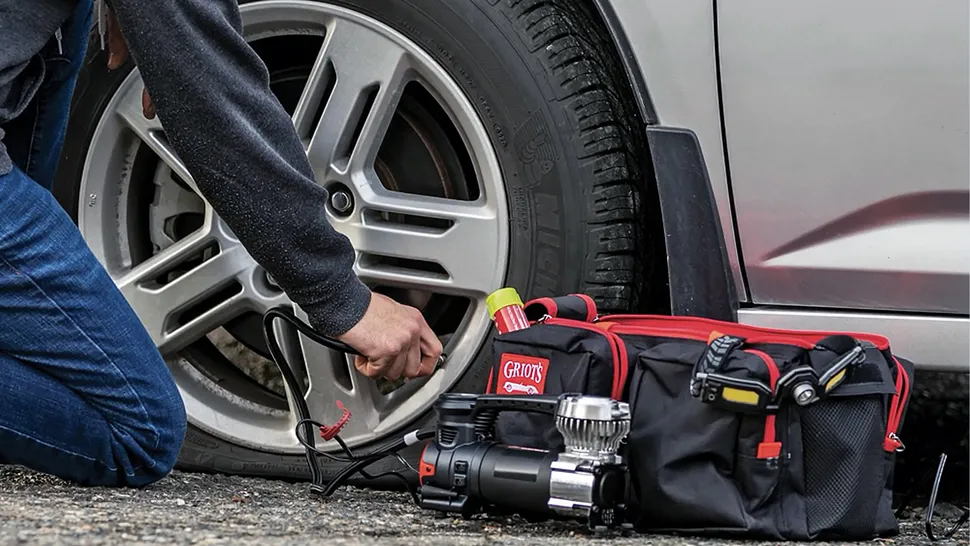
Every driver needs a core set of items that handles visibility, communication, basic comfort, and light repairs. Start with jumper cables or a portable jump starter, a flashlight with extra batteries, reflective triangles or road flares, a tire pressure gauge, work gloves, a basic first-aid kit, water, non-messy snacks, and a phone power bank.
A portable jump starter deserves special attention. Jumper cables work only when another vehicle is nearby and the other driver is willing to help. A jump starter gives you more independence in a parking lot, at work, or outside your home on a cold morning. It should be charged on a schedule, not discovered dead when you need it.
A roadside safety kit also needs items that protect your body, not only your car. Keep a poncho, a warm layer, a small towel, hand cleaner, and a few disposable bags. These sound ordinary until you are kneeling near a tire in rain or handling greasy tools with no place to wipe your hands.
How do you choose items for your vehicle type?
A compact sedan, pickup truck, family SUV, and electric vehicle do not all need the exact same kit. A truck used for weekend hauling may need tow straps, heavier gloves, and a better flashlight. A family SUV needs child-friendly snacks, extra blankets, and supplies for passengers who may not stay calm during a long delay.
Electric vehicle owners should think differently. They may not need the same fluids as gas-powered vehicles, but they do need charging awareness, a reliable roadside service plan, a tire inflator, and route planning for remote drives. Running low on charge in cold weather feels different from running low on gas because charging access can shape the entire rescue plan.
Older vehicles need a more repair-focused kit because wear adds risk. Keep basic fluids only when appropriate for your vehicle and storage conditions, and avoid carrying anything that can leak or become unsafe in heat. A kit should solve problems, not create a chemical mess under the cargo mat.
Smart Storage, Maintenance, and Seasonal Updates
Buying supplies is the easy part. Keeping them usable is where most drivers fail. A kit buried under sports gear, expired snacks, weak batteries, and a dead power bank offers false comfort. Roadside preparation works only when the items are reachable, current, and matched to the season outside your windshield.
Where should you keep emergency roadside supplies?
The best kit location is easy to reach without emptying half the trunk. Use a sturdy bag, hard case, or crate that stays closed during sharp stops. Place visibility items near the top because you may need them before anything else. Reflective triangles hidden under luggage help nobody when cars are flying past at night.
Families should keep a few passenger items inside the cabin as well. A small flashlight, phone cable, tissues, and a light blanket can sit in the glove box, center console, or rear storage pocket. When children, older adults, or pets ride with you, comfort supplies become safety supplies because stress spreads fast in a stuck vehicle.
A common mistake is storing everything around the spare tire compartment. That area seems logical until the trunk is full or the car is parked at an awkward angle. Keep tire tools where they belong, but place urgent items where your hand can reach them fast.
How often should you inspect and refresh the kit?
A car emergency checklist should not live in your head. Put a reminder on your phone every three months and inspect the kit like you inspect smoke detector batteries at home. Check power banks, jump starters, flashlights, first-aid supplies, bottled water, snacks, gloves, and seasonal gear.
Spring and fall are the best times for a deeper refresh. Before summer, remove items that heat can damage and add extra water. Before winter, add insulation, traction help, and cold-weather tools. This rhythm works across much of the USA because it catches the biggest seasonal shifts before they become roadside problems.
The small discipline matters. A driver who checks supplies four times a year avoids the ugly surprise of finding corroded batteries, cracked packaging, melted snacks, or a jump starter that has been dead for six months. Preparedness is not one shopping trip. It is a habit.
Staying Calm and Making Better Roadside Decisions
A kit cannot replace judgment. The best supplies in the world will not help if you step into fast traffic, ignore weather risk, or try a repair beyond your skill. Good roadside safety starts with the first decision after trouble appears: move carefully, stay visible, and avoid turning a mechanical issue into a personal injury.
What should you do first during a roadside emergency?
Your first goal is to get to the safest reasonable location. Signal early, slow down with control, and move away from traffic when possible. If you cannot reach an exit or parking lot, pull as far onto the shoulder as conditions allow. Turn on hazard lights before you start digging through supplies.
Once stopped, think before opening the door. Fast traffic changes everything. In many cases, staying inside with seat belts on is safer than standing near the lane. If you must exit, leave from the side away from traffic when possible, place visibility markers only when it is safe, and call for help from a protected spot.
This is where Car Emergency Kits earn their place. They do not invite risky heroics. They support calm decisions by giving you light, visibility, warmth, communication, and basic tools while you choose the safest next move.
When should you avoid fixing the problem yourself?
Some repairs are not worth attempting beside moving traffic. A flat tire on a narrow shoulder, a breakdown on a blind curve, smoke from the engine bay, flooding, extreme cold, or poor visibility should push you toward professional help. Pride has no place on the shoulder. Neither does guessing.
Drivers often underestimate how exposed they are outside the vehicle. A tire change that feels simple in a driveway becomes dangerous when the pavement slopes, trucks pass close, and rain limits visibility. The right call may be to wait, even if the repair seems manageable. Safety beats speed every time.
A good kit helps you wait well. You can stay warm, keep your phone alive, mark your vehicle, give passengers water, and speak clearly with roadside assistance. That is not passive. That is smart control under pressure.
Conclusion
Roadside preparation is one of those adult responsibilities that feels boring until the day it saves the trip. The better way to think about it is simple: you are not packing for disaster, you are protecting your ability to respond with a clear head. A strong kit gives you margin when the road takes something away from you.
Build around your real life, not an imaginary perfect driver. Think about your commute, your climate, your passengers, your vehicle age, and the places where help may take longer to arrive. Then inspect the kit often enough that it stays useful. Car Emergency Kits are not about fear of driving. They are about refusing to be caught helpless by problems you could have prepared for in one afternoon. Start with the basics, refresh them every season, and make your vehicle the place where panic has less room to grow.
Frequently Asked Questions
What should I put in a car emergency kit for long drives?
Pack visibility tools, a flashlight, jumper cables or a jump starter, phone power, water, snacks, gloves, a first-aid kit, a tire gauge, a blanket, and weather gear. Long drives also need extra medication, paper maps, and passenger comfort items.
How often should I update my roadside emergency supplies?
Check your supplies every three months and do a deeper refresh before summer and winter. Batteries, power banks, snacks, water, first-aid items, and seasonal tools can expire, leak, weaken, or become useless if ignored for too long.
Are portable jump starters better than jumper cables?
Portable jump starters give you more independence because they do not require another vehicle. Jumper cables still help, but they depend on another driver and safe positioning. Many drivers carry both for better coverage in parking lots, driveways, and remote areas.
What emergency items should families keep in the car?
Families should add child-friendly snacks, extra water, blankets, wipes, small activities, backup charging cables, and any needed medications. Passenger comfort matters because stress rises fast when kids are cold, hungry, bored, or scared during a roadside delay.
Do I need a different kit for winter driving?
Winter driving needs extra warmth and traction support. Add blankets, gloves, hand warmers, an ice scraper, a small shovel, traction material, and cold-weather clothing. A dead battery or stuck tire becomes harder when wind and freezing pavement enter the situation.
Where is the best place to store roadside safety gear?
Store the main kit in the trunk or cargo area where it stays secure but easy to reach. Keep urgent items like a flashlight, phone cable, tissues, and a small blanket inside the cabin so you can access them without unloading the vehicle.
Should I try to change a tire on the highway shoulder?
Only attempt it when the area is wide, stable, visible, and safely away from traffic. A narrow shoulder, bad weather, darkness, or fast traffic makes the repair risky. Calling roadside assistance is often the smarter decision.
What is the most forgotten item in a car emergency kit?
A charged power bank is one of the most forgotten items. Drivers often remember tools but forget communication. A phone with no battery limits every next step, from calling roadside assistance to sharing your location with family.