
Your pocket has become the control room for half your daily life. Mobile Computing helps Americans bank, work, learn, shop, travel, and stay connected without being tied to a desk. That sounds simple until your phone battery dies during a payment, your tablet slows during a video call, or your laptop refuses to connect at the airport. The real lesson is not that mobile tools are powerful. You already know that. The lesson is that small choices shape whether those tools save time or steal it.
A good mobile setup does not need fancy gear. It needs clear habits, safe connections, clean storage, and a better sense of when a phone, tablet, or laptop fits the job. That matters for students in Texas, remote workers in Ohio, small business owners in Florida, and parents juggling bills and school apps from the kitchen table. Even brands building trust through digital publishing and business visibility depend on the same simple truth: technology works best when people can use it without friction.
How Portable Devices Became Daily Decision Tools
The shift from desktop-first life to portable-first life did not happen because screens got smaller. It happened because people wanted their tasks to move with them. You can answer a client from a parking lot, check a school portal at lunch, or compare grocery prices while standing in the aisle. That freedom feels normal now, but it still asks for judgment.
Why do mobile devices shape daily routines so strongly?
Mobile devices sit close to the moments where decisions happen. A desktop waits for you to return to it, but a phone follows you through errands, commutes, lunch breaks, waiting rooms, and late-night reminders. That constant presence makes the device feel less like a machine and more like a personal assistant with a glass screen.
The hidden problem is that convenience can blur every boundary. A banking alert, a work message, a family photo, and a shopping coupon may all arrive within the same minute. A construction worker in Arizona may use the same phone to check job-site plans, text a supplier, and pay for gas before sunrise. That is useful, but it can also turn one device into a crowded room.
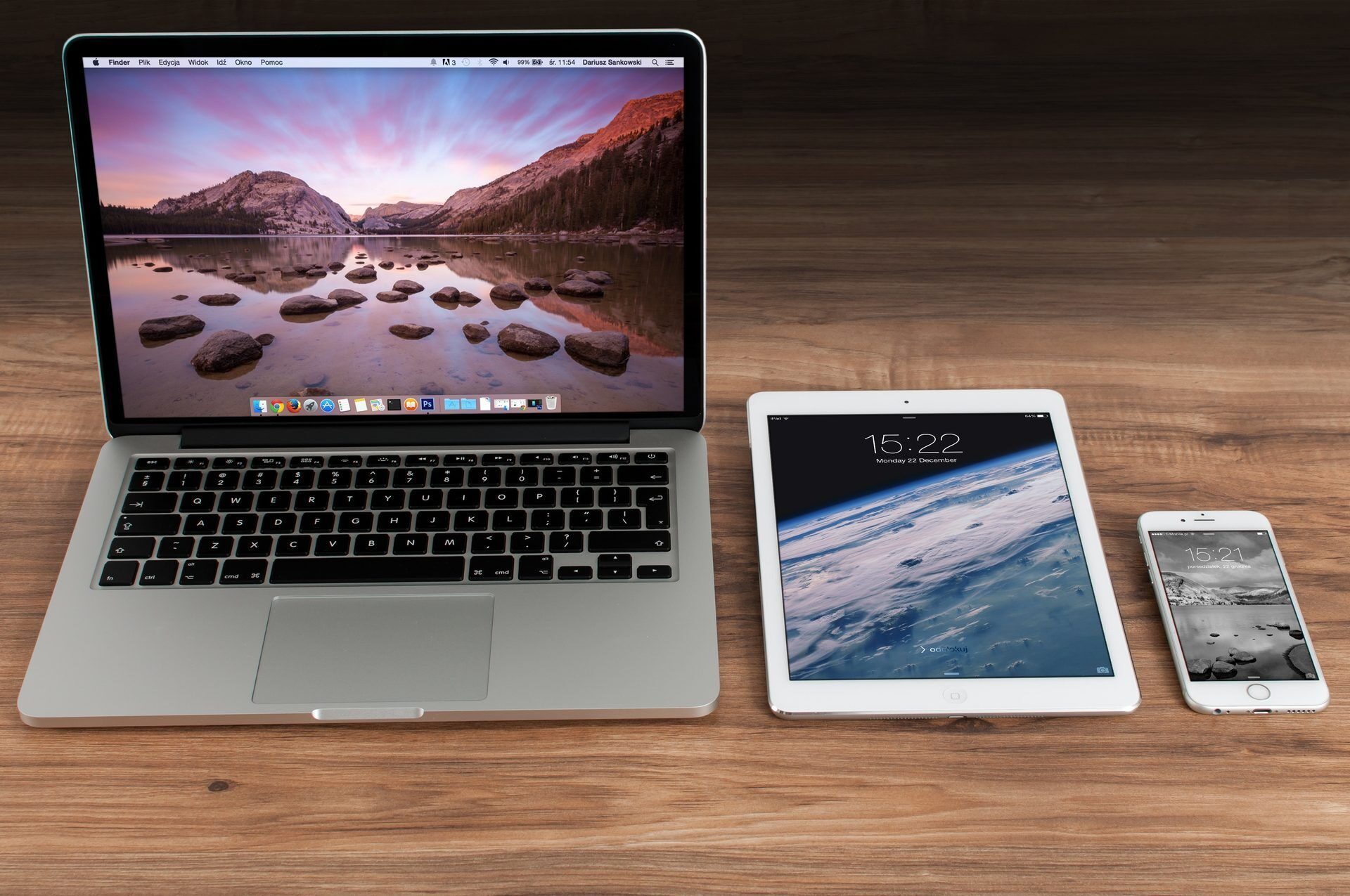
The better habit is to assign jobs clearly. Your phone handles quick checks, location-based tasks, and urgent messages. A tablet works well for reading, forms, and light planning. A laptop still wins when deep work needs a keyboard, file control, and focus. The device matters less than matching the tool to the task.
What makes a portable setup feel smooth instead of stressful?
A smooth setup starts with fewer surprises. You know where your files live, which apps own each task, how your passwords are stored, and what happens when your connection drops. People often chase faster phones before they fix the mess already sitting inside the one they own.
A real example shows up in rideshare work. A driver in Chicago may depend on maps, payment apps, fuel rewards, music, and messaging through a long shift. One weak charging cable or one cluttered home screen can slow the day. The phone may be modern, but the workflow is fragile.
Counterintuitive as it sounds, the best upgrade is often subtraction. Delete apps you do not use, remove duplicate photo backups, turn off pointless alerts, and keep only your daily tools on the first screen. A cleaner device feels faster because your mind stops hunting through noise.
Building Safer Habits Around Wireless Access
Portable technology depends on movement, and movement depends on connection. Home Wi-Fi, public hotspots, cellular data, Bluetooth, and cloud sync all create the feeling that your information follows you. That is useful, but each connection also creates a doorway. Some doors need locks.
How does wireless connectivity affect privacy in public places?
Wireless connectivity is convenient because it removes the cable, but it also removes some visible boundaries. At home, you usually know the network. At a coffee shop, airport, hotel, or college campus, you may not know who manages the network or who else is sitting on it.
A traveler at Denver International Airport might join a free hotspot to check email before boarding. The page loads, the inbox opens, and everything feels harmless. The risk is not always dramatic theft. Sometimes it is quiet exposure: weak websites, fake network names, or careless file sharing settings.
The safest habit is boring, and boring wins here. Use cellular data for banking, health portals, and password changes when public Wi-Fi feels questionable. Keep automatic network joining turned off. Use a trusted password manager rather than typing the same password everywhere. Security should feel like a seatbelt, not a full-time hobby.
Why should Bluetooth, app permissions, and location settings be reviewed?
Bluetooth and location tools make life easier until they keep running after the job is done. A fitness tracker, wireless earbuds, car dashboard, weather app, and store coupon app may all ask for access. Some requests make sense. Others ask for more than they deserve.
A parent in North Carolina might download a flashlight app during a power outage and tap through permissions too quickly. If that app asks for location, contacts, or microphone access, something feels off. The tool does not need your address book to turn on a light.
Reviewing permissions once a month is a small act with a large payoff. Turn off location access for apps that do not need it. Remove Bluetooth pairings you no longer use. Check which apps can send notifications, access photos, or track activity. The unexpected truth is that privacy often improves through simple housekeeping, not advanced technical skill.
Making Work, Learning, and Errands Easier on the Move
The promise of portable technology is not constant screen time. The real promise is getting the right task done at the right moment, then putting the device away. When phones and tablets help you finish the boring stuff faster, they give time back to the parts of life that should not need a login.
How can digital productivity stay practical instead of overwhelming?
Digital productivity gets messy when every app claims it can organize your life. Notes, calendars, task boards, reminders, email folders, cloud drives, and chat tools all compete for attention. More tools can create less progress.
A college student in California may use one app for assignments, another for lecture notes, another for group projects, and another for reminders. That setup looks organized from the outside. In practice, the student spends half the week checking where the real task was written down.
The fix is to choose one home base. Put deadlines in one calendar. Keep daily tasks in one list. Store class or work files in one clear folder system. Digital productivity should reduce decisions, not multiply them. The best system is the one you will still use when you are tired.
What everyday tasks are better handled from a phone or tablet?
Small tasks belong on small screens when they are quick, clear, and low-risk. Paying a utility bill, scanning a receipt, checking a delivery window, confirming an appointment, or reading a short document can all work well from a phone. The key is knowing when to stop.
A small business owner in Georgia may approve invoices from a tablet while waiting for a supplier call. That is smart use of downtime. But building a full tax report from the same tablet at midnight may invite mistakes because the task needs a larger screen and better review.
This is where many people get mobile use backward. They judge the device by whether it can do the job. The better question is whether it helps you do the job well. A phone can edit a long contract, but that does not mean it should.
Keeping Performance, Battery Life, and Storage Under Control
A portable device does not fail all at once most of the time. It fades. Apps open slower. Photos stop backing up. The battery drops before dinner. Updates sit ignored. Then one ordinary day turns into a repair bill or a lost file panic. Prevention is dull, but it is cheaper than rescue.
Why do phones and tablets slow down over time?
Devices slow down because they collect weight. Old apps run background tasks, photos pile up, caches grow, tabs stay open, and operating system updates demand more room. The device may not be broken. It may be crowded.
A family in Michigan might share a tablet for school videos, games, recipes, and streaming. After a year, storage warnings appear every week. The tablet feels outdated, but the real issue is unmanaged clutter. Remove old downloads, clear unused apps, and move photos to trusted backup storage before buying something new.
The counterintuitive part is that more storage can encourage worse habits. A larger phone lets people postpone cleanup for longer. That delay feels harmless until the device needs space for an update, a security patch, or a critical video during a family event.
How can battery life last longer without changing every setting?
Battery care begins with patterns, not panic. Brightness, background refresh, weak signal areas, constant video, and heavy location use drain power faster than most people expect. A phone searching for service in a rural area can lose battery even while sitting untouched.
A nurse working a long shift in Pennsylvania may not have time to charge often. Lower screen brightness, download maps or documents before leaving home, close power-heavy apps, and carry a compact charger. Those habits do more than random setting changes made after the battery hits 12 percent.
Heat is the quiet battery killer. Leaving a phone on a car dashboard in Phoenix or charging it under a pillow can wear it down faster over time. Keep devices cool, charge before deep depletion when possible, and replace cheap cables that heat up or disconnect easily. Small discipline keeps the device dependable.
Conclusion
Portable technology will keep moving deeper into ordinary American routines, but better use will not come from owning every new gadget. It will come from choosing tools with a clear head. Your phone should handle quick action. Your tablet should support reading, planning, and light work. Your laptop should carry the heavier thinking. When those roles blur, stress grows.
The smartest users of Mobile Computing are not the people with the newest devices. They are the people who know when to connect, when to protect their data, when to clean up clutter, and when to switch screens before a task turns sloppy. That judgment matters more each year because more of life now runs through portable access.
Start with one practical move today: clean your home screen, review permissions, remove unused apps, or set one trusted place for your files. Better technology habits are built in small choices, and those choices decide whether your device serves your day or runs it.
Frequently Asked Questions
What are the basic uses of mobile devices in everyday life?
Phones and tablets help with calls, messages, banking, navigation, shopping, photos, entertainment, learning, and work tasks. They are best for quick actions and on-the-go access. For longer writing, complex files, or detailed review, a laptop is usually the better tool.
How does wireless connectivity help people stay productive?
Wireless connectivity lets people work, study, shop, and communicate without staying in one place. It supports cloud files, video calls, maps, payments, and real-time updates. The main tradeoff is security, so public networks should be used with care.
What is the best way to improve digital productivity on a phone?
Use fewer apps and give each app a clear role. Keep one calendar, one task list, and one main file storage location. Turn off low-value notifications so your phone supports focus instead of breaking it every few minutes.
How can beginners keep mobile data safe while traveling?
Use cellular data for sensitive tasks, avoid unknown public Wi-Fi, turn off auto-join, and keep device software updated. A password manager also helps because it reduces repeated passwords and makes fake login pages easier to spot.
Why does my phone battery drain fast during the day?
Common causes include high brightness, weak signal, background apps, location tracking, video streaming, and old battery health. Heat can also hurt long-term battery life. Simple fixes include reducing brightness, closing heavy apps, and charging with reliable cables.
How often should mobile apps and software be updated?
Check for updates at least once a week, and install security updates as soon as practical. App updates can fix bugs, close safety gaps, and improve performance. Delaying updates for months can leave your device slower and more exposed.
Are tablets better than laptops for everyday technology usage?
Tablets are better for reading, streaming, note-taking, browsing, and simple forms. Laptops are better for long typing, spreadsheets, file management, and serious work sessions. The best choice depends on the task, not the device category.
What should I delete first when my phone storage is full?
Start with unused apps, downloaded videos, duplicate photos, old message attachments, and offline files you no longer need. Then move photos and documents to trusted cloud or external storage. Avoid deleting system files unless you know what they control.