
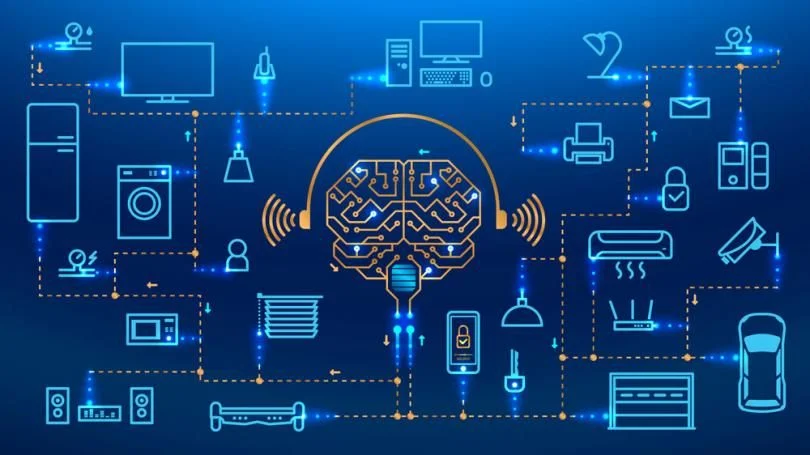
A quiet house can now think louder than some offices did ten years ago. Your thermostat learns your schedule, your doorbell sees the porch, your lights respond before your hand reaches the switch, and your washer can tell you when it needs attention. Internet Of Things is the hidden layer behind that shift, turning ordinary household items into connected tools that react, report, and adjust.
For many American families, this is no longer a luxury reserved for tech-heavy homes in Silicon Valley. It shows up in suburban kitchens, downtown apartments, college rentals, and small businesses trying to save time without adding more screens to the day. A homeowner in Ohio can lower energy use while away. A parent in Texas can check who rang the bell. A renter in New York can manage lights without rewiring a wall.
The real value is not the gadget itself. It is the way the home starts reducing small daily friction. Readers who follow connected technology trends already know the smartest setups are not the flashiest ones. They are the ones that make everyday life feel less scattered.
Smart Homes Work Best When They Solve Real Problems
A connected home should never feel like a showroom full of devices begging for attention. The strongest setups begin with a plain question: what part of daily life keeps wasting time, money, or patience? Once you answer that, smart home devices stop feeling like toys and start acting like practical household help.
How Smart Home Devices Reduce Daily Friction
Good technology disappears into the routine. A smart lock that lets your teenager in after school is useful because it removes a small worry. A video doorbell helps because package theft is a real issue in many U.S. neighborhoods. A smart plug on a coffee maker may sound minor, but for someone rushing through a cold Chicago morning, minor becomes meaningful.
The mistake many buyers make is starting with the product instead of the problem. They buy three speakers, two bulbs, and a hub, then wonder why the house feels more complicated. A better path starts with one pressure point. Maybe the hallway is dark at night. Maybe the HVAC bill jumps every August. Maybe an older parent needs easier lighting controls.
Smart home devices earn trust when they solve one problem cleanly. After that, expansion feels natural. The home grows smarter because the resident has a reason, not because the box at the store looked tempting.
Why Connected Home Technology Needs Household Logic
Connected home technology works best when it matches the way people already live. A family with children needs different settings than a single professional in a studio apartment. A retired couple in Florida may care more about leak sensors and climate control than voice-controlled entertainment. The right setup respects the house, the people, and the daily rhythm inside it.
The counterintuitive part is that fewer devices can make a home feel smarter. Too many alerts turn convenience into noise. Too many apps create a new kind of clutter. A clean setup may include a smart thermostat, doorbell, leak sensor, and a few lighting routines. That small stack can outperform a crowded system that nobody understands.
American homes are also inconsistent by design. Some have old wiring, weak Wi-Fi corners, thick walls, detached garages, or rental limits. The smartest plan accounts for those limits before any device goes in. A device that works beautifully in a new Arizona build may struggle in a century-old Boston duplex.
Internet Of Things Turns Data Into Household Awareness
A connected home becomes useful when devices stop acting alone. A thermostat, camera, light sensor, and appliance all create tiny pieces of information. When those pieces work together, the home begins to sense patterns that people often miss in the rush of daily life.
How Home Automation Systems Learn Repeated Behavior
Home automation systems are not magic. They run on repeated behavior. If your lights come on at 6:30 every morning, your thermostat drops when you leave, and the garage opens around 5:45 most evenings, the system can help shape those patterns into routines. The result feels personal because it is built from your day.
A practical example is energy use during a hot Texas summer. A smart thermostat can raise the temperature slightly when nobody is home, cool the house before the family returns, and show which hours drive the bill higher. That does not require a homeowner to become a data expert. It asks the system to translate patterns into useful action.
The unexpected insight is that automation often exposes bad habits before it improves comfort. You may learn the AC runs hard because one room gets too much afternoon sun. You may discover lights stay on in rooms nobody uses. The data can feel annoying at first, but that irritation is useful. It points to waste hiding in plain sight.
Why Smart Sensors Matter More Than Flashy Gadgets
Sensors are the quiet workers of a connected home. They notice motion, moisture, temperature, smoke, air quality, vibration, and open doors. They rarely look exciting, but they often deliver the highest value because they catch problems early.
A leak sensor under a water heater can save a homeowner thousands of dollars. A contact sensor on a basement door can alert a family before a small security concern becomes a larger one. An air quality sensor can help households near wildfire-prone areas or high-traffic roads make better ventilation choices.
Connected home technology becomes stronger when sensors guide action. A moisture alert can trigger a phone notification. A motion sensor can turn on a hallway light at night. A temperature sensor in a nursery can help parents adjust comfort without constant checking. The best connected living often comes from small devices that never need praise.
Safety And Privacy Decide Whether Smart Living Lasts
Convenience gets people to buy connected products, but trust keeps those products in the home. No family wants a camera, lock, speaker, or appliance that feels like a privacy gamble. The more personal the device, the more serious the responsibility becomes.
Why IoT Security Starts With Basic Habits
IoT security begins long before a headline warns about hacked cameras or exposed data. It starts with boring choices that work: strong passwords, updated firmware, two-factor sign-ins, and trusted brands with clear privacy settings. Boring is good here. Boring keeps doors closed.
Many U.S. households still leave default passwords unchanged. That single mistake can weaken an entire setup. A smart garage controller or camera should never share the same weak password as an old shopping account. Each device deserves the same care you would give to a banking login, especially if it controls access, images, or voice data.
The hard truth is that convenience and risk often arrive in the same box. A camera that lets you check your porch from work also creates sensitive footage. A speaker that responds quickly also listens for wake words. Responsible setup does not mean fear. It means treating connected tools like part of the home’s safety plan.
How Families Can Keep Control Without Giving Up Comfort
Privacy settings should be reviewed like smoke alarm batteries. Most people set devices once, then forget them. That is where trouble starts. App permissions change. New features appear. Shared access stays active after a roommate, contractor, or guest no longer needs it.
A simple household rule helps: only collect what you use. If a device does not need voice history, turn it off. If a camera does not need to record indoor spaces, point it elsewhere. If a child uses a smart speaker, review parental controls. Small boundaries create a safer home without removing the benefits.
Smart home devices also need a clean exit plan. Before selling, donating, or throwing away a connected item, reset it and remove it from your account. Many people forget that old devices may still contain Wi-Fi details, routines, or account links. The smartest home is not the one with the most data. It is the one where the owner stays in charge.
Everyday Connected Living Is Moving Beyond The House
Smart living no longer stops at the front door. Cars, workplaces, health tools, city services, and energy systems are joining the same connected pattern. That wider reach matters because the home is becoming one part of a larger daily network.
How Connected Living Supports Energy And Mobility
A family with solar panels, a smart thermostat, and an electric vehicle charger can manage energy in a more active way. Charging may happen overnight when rates are lower. The thermostat may adjust during peak demand hours. Appliances may run when the grid is under less stress. These choices look small alone, but together they can change a monthly bill.
In states like California, New York, and Colorado, energy planning is becoming a household issue, not only a utility issue. People want lower bills, cleaner power, and fewer surprises during heat waves. Home automation systems can help by showing where energy goes and when changes make sense.
The counterintuitive lesson is that comfort may improve when the home uses less. A better-timed thermostat can keep rooms stable. Smarter lighting can reduce waste without making a house feel dim. Connected charging can prepare a car without forcing the owner to think about rates every night.
Why The Next Smart Home Will Feel More Personal
The next stage of connected living will not be about stuffing more screens into every room. It will be about context. A home may know when guests are visiting, when air quality drops, when a package arrives, or when the family routine changes for school breaks. The point is not to replace human choice. The point is to support it.
Personalization must stay practical. A kitchen that suggests grocery reminders may help. A fridge that turns every snack into an alert may not. A bedroom that adjusts lights for sleep can feel calming. A system that nags the user all day will be abandoned. People keep tools that respect attention.
IoT security will become even more central as these systems spread. Homes will need cleaner dashboards, better permission controls, and easier ways to remove old devices. The winning products will not be the loudest. They will be the ones people can trust without reading a manual every weekend.
Conclusion
Smart connected living is not about proving your home is modern. It is about building a place that responds with care, saves small pieces of time, and protects the people inside it. The best setups start modestly, solve a real problem, and grow only when the next device adds clear value.
That is where Internet Of Things becomes more than a tech phrase. It becomes a practical layer of daily support, from lower energy bills to safer entryways and calmer routines. American households do not need every new gadget. They need connected choices that fit their home, budget, privacy comfort, and family habits.
Start with one problem you feel every week. Fix that first with a device you can understand, secure, and maintain. Then build from there with patience, not pressure. A smarter home should make life feel lighter, not turn your living room into another dashboard.
Frequently Asked Questions
What is the best way to start a smart connected home?
Begin with one clear problem, such as high energy bills, porch security, or hard-to-reach lighting. Choose one reliable device that solves that issue well. A smart thermostat, video doorbell, or smart plug is often a practical first step.
Are smart home devices worth it for renters in the USA?
Renters can benefit from plug-in devices that do not require wiring or permanent changes. Smart bulbs, plugs, speakers, cameras, and portable sensors work well in apartments. Always check lease rules before installing doorbells, locks, or wall-mounted equipment.
How can connected home technology lower energy bills?
It helps by tracking use, reducing waste, and adjusting devices around your schedule. Smart thermostats, lighting routines, and energy monitors can cut unnecessary power use. The savings depend on home size, climate, utility rates, and how consistently settings are used.
What smart devices should families install first?
Families often get the most value from a smart thermostat, video doorbell, leak sensors, smart locks, and selected lighting controls. These devices support comfort, safety, and routine management. Start with the areas that create the most stress at home.
Is IoT security hard for everyday homeowners?
It is manageable when you follow simple habits. Use strong passwords, turn on two-factor sign-ins, update device software, and remove devices you no longer use. Avoid unknown brands with unclear privacy policies, especially for cameras, locks, and microphones.
Do home automation systems need fast Wi-Fi?
Stable Wi-Fi matters more than extreme speed. Devices need consistent coverage across rooms, garages, porches, and basements. If signals drop often, consider a mesh network or move the router before adding more connected products.
Can smart sensors prevent expensive home damage?
They can help catch problems early, especially leaks, smoke, temperature swings, and open doors. A small leak sensor near a water heater or washing machine can alert you before damage spreads. Sensors work best when notifications are set up correctly.
What is the future of smart connected living?
Future homes will focus more on useful context than flashy gadgets. Devices will coordinate energy use, safety alerts, comfort settings, and daily routines with less manual input. The strongest systems will balance convenience with privacy, control, and long-term reliability.


