A cramped bedroom can make even a beautiful home feel unfinished. The problem is rarely the square footage alone; it is the way the room asks you to make choices faster than a larger space would. Good small bedroom decorating means editing harder, placing smarter, and refusing to let “tiny” become an excuse for dull. Across American apartments, townhomes, dorm-style rentals, and older houses with modest rooms, the best spaces do not shout for attention. They work quietly.
Your bedroom should give you relief the second you walk in. That does not mean buying every storage product on the market or painting everything white until the room feels like a clinic. It means choosing pieces that earn their place, colors that calm the eye, and details that make the space feel personal without crowding it. A few thoughtful changes can turn an awkward room into a place that feels intentional, comfortable, and grown-up. For more home design inspiration, resources like creative living ideas can help you think beyond the usual quick fixes and focus on choices that actually fit your life.
Small Bedroom Decorating Starts With Better Decisions
A small room tells the truth quickly. If a chair becomes a laundry pile, if the nightstand blocks a drawer, or if the rug is too small to anchor the bed, the room exposes the mistake every morning. That is why the first step is not shopping. It is deciding what the room must do and what it can stop pretending to do.
Choose the Bed Before Everything Else
The bed is the boss of the room, even when you wish it were not. In a compact bedroom, placing the bed first prevents every other choice from turning into a compromise. A queen bed may fit, but that does not mean it belongs in every room. In many U.S. apartments, a full bed with better walking space feels more expensive than a queen squeezed between two walls.
A low-profile frame can make the ceiling feel higher, while a bed with slim legs keeps the floor visible. That bit of visible floor matters. Your eye reads open floor as breathing room, even when the measurements have not changed.
Storage beds can help, but they are not always the answer. Drawers under the bed need clearance, and lift-up storage can become annoying if you access it every week. For seasonal bedding, luggage, or winter sweaters, it works well. For daily clothing, a real dresser or closet system usually wins.
Keep Only Furniture With a Job
Small bedroom ideas often fail because people keep furniture out of guilt. A bench from a former house, a tall bookshelf from college, or a second nightstand that blocks the closet can make the room feel stuck in someone else’s life. Sentiment is allowed, but furniture still needs a job.
A better test is simple: does this piece help you sleep, dress, store, or relax? If not, it may belong somewhere else. A narrow dresser can replace a wide one. A wall shelf can replace a bulky side table. A small stool can hold a book and a glass of water without eating the floor.
The most counterintuitive move is leaving a little emptiness. Empty space can feel wasteful when the room is small, but it gives the design confidence. A room packed to every edge feels nervous. A room with one clear corner feels calm.
Use Color, Light, and Texture to Change the Mood
Once the main layout works, the room needs atmosphere. This is where many people either do too little or too much. A small bedroom does not need to become plain to feel bigger, and it does not need loud colors to feel stylish. The goal is control.
Build a Soft Color Story
A cozy bedroom design starts with colors that know how to sit together. Warm whites, soft taupe, muted sage, clay, dusty blue, and mushroom gray work well in many American homes because they pair easily with wood tones, rental carpet, and standard white trim. These shades do not fight the room.
Painting every wall dark can work, but only when the lighting and bedding support it. A deep olive or charcoal room with layered lamps can feel rich. The same color under one harsh ceiling bulb can feel like a storage closet. Paint never works alone.
Bedding should connect the palette instead of introducing five new ideas. Try one main color, one supporting neutral, and one accent. That keeps the bed from looking like a clearance aisle. Small bedroom decor improves when the largest surface in the room looks settled.
Let Lighting Do More Than Brighten
Overhead lighting is useful, but it rarely flatters a bedroom. Lamps, wall sconces, plug-in pendants, and small shaded lights create zones. They also help the room feel wider because light spreads from more than one point.
A bedside lamp with a warm bulb makes nighttime reading feel softer. A plug-in wall sconce frees the nightstand. A small lamp on a dresser makes the room feel finished after sunset. None of these choices require a remodel, which matters for renters.
Texture carries the room when the color palette stays quiet. Linen-style curtains, a woven basket, a ribbed throw, or a wool-look rug can make a small space feel layered without making it busy. The trick is not adding more stuff. It is choosing surfaces that do more work.
Storage Should Feel Built In, Even When It Is Not
Storage is where small bedrooms either become peaceful or fall apart. The mistake is treating storage like a separate problem from design. Plastic bins, random baskets, and overfilled shelves may hold things, but they can still make the room feel restless. Good storage disappears into the rhythm of the space.
Use Vertical Space Without Crowding the Walls
Space-saving bedroom furniture works best when it respects the wall. Tall dressers, floating shelves, wall-mounted hooks, and slim wardrobes can save floor area, but too many vertical pieces make the room feel boxed in. The wall needs pauses, too.
One tall dresser often beats two short storage pieces. It gives you more storage while leaving more floor open. A floating shelf above a desk can hold books and small decor, but five shelves above a bed can feel heavy while you sleep under them.
In older American homes, closets can be narrow and poorly planned. A basic closet kit with double hanging rods and one shelf can change more than a new dresser. Shoes, folded denim, and off-season pieces need assigned zones. Without zones, every cleaning day becomes a negotiation.
Hide Clutter Where Your Eye Lands First
The first view into the bedroom matters. If the door opens toward an overflowing hamper, tangled cords, or exposed storage bins, the room feels messy before you step inside. Fix that view first.
A lidded hamper looks better than an open basket. A cable box behind the nightstand keeps chargers from crawling across the floor. Matching under-bed containers make storage feel intentional, not temporary. These small changes carry more weight than one expensive decor piece.
Stylish small bedroom storage should not make you work too hard. If a system requires folding every T-shirt into a perfect rectangle at midnight, it will fail. Choose storage that fits your real habits, not your fantasy self. The best room is the one you can maintain on a tired Tuesday.
Style Comes From Restraint, Not From More Decor
Decoration is the fun part, but it can also ruin the room fastest. Small bedrooms do not forgive clutter disguised as personality. The goal is not to remove character. The goal is to give character enough space to be seen.
Pick One Strong Focal Point
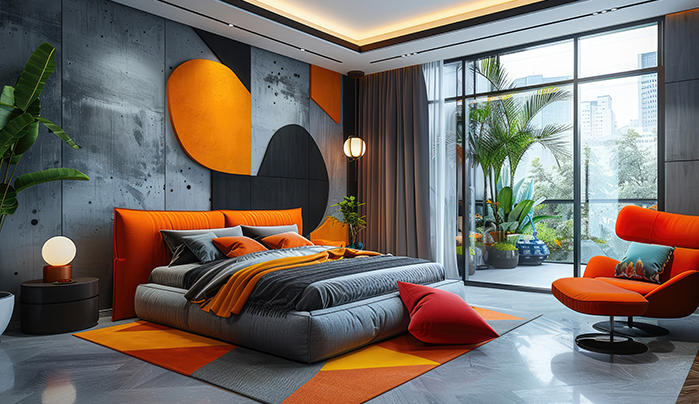
A focal point gives the room a center. It might be the headboard, a piece of art, a patterned rug, or beautiful bedding. Without one, the eye jumps around looking for order. That makes the room feel smaller.
A framed print above the bed can work better than a gallery wall in a tight room. One large piece feels calmer than eight small frames competing for attention. If you love photos, place them on one shelf or one side wall instead of scattering them across every surface.
Small bedroom decorating also benefits from scale. Tiny decor can make a small room feel even smaller because everything looks timid. One generous mirror, one taller plant, or one bold lamp can give the room confidence. Small space does not mean small everything.
Make Personal Details Feel Edited
Personal style matters more in a small bedroom because there is less room to hide weak choices. A stack of books you actually read feels better than decorative books bought by color. A ceramic dish from a trip feels better than a tray that exists only to hold other objects.
Cozy bedroom design becomes stronger when every visible item has some reason to be there. That reason can be beauty, memory, comfort, or use. It does not need to impress anyone else.
The final edit should happen after everything is in place. Remove two objects from the dresser. Take one pillow off the bed. Clear one shelf halfway. The room will not lose personality. It will gain focus.
Conclusion
A small bedroom does not need apology energy. It needs decisions that respect the limits of the room while still giving you comfort, style, and a sense of ownership. The smartest rooms often come from restraint: fewer pieces, better placement, softer lighting, and storage that works with your habits instead of punishing them.
Small bedroom decorating is less about chasing trends and more about building a room that supports your real life. When the bed fits, the lighting feels warm, the storage has a plan, and the decor has room to breathe, the space changes. It stops feeling like a problem to solve and starts feeling like a place you are glad to return to.
Start with the one area that annoys you most, whether it is the bed wall, the closet, or the nightstand. Fix that first, then let the next decision become easier. A small room becomes beautiful the moment every inch starts acting like it matters.
Frequently Asked Questions
What are the best small bedroom ideas for apartments?
Start with the bed placement, then choose slim furniture that keeps walkways clear. Use wall lights, under-bed storage, and curtains hung high to make the room feel taller. Apartment bedrooms work best when every piece has a clear purpose.
How can I make a small bedroom look bigger without remodeling?
Keep more floor visible, use one calm color palette, and add lighting from several sources. A large mirror can help, but only when it reflects something clean and open. Avoid oversized furniture that blocks natural movement through the room.
What colors work best for a cozy bedroom design?
Warm whites, soft beige, muted green, dusty blue, and gentle gray work well because they calm the room without making it flat. Dark colors can also work when paired with warm lighting, simple bedding, and uncluttered surfaces.
What type of bed is best for a small room?
A low-profile bed, storage bed, or simple platform frame often works best. Choose the largest bed that still leaves comfortable walking space. A slightly smaller bed with better flow usually feels more luxurious than a large bed jammed into corners.
How do I use space-saving bedroom furniture without making the room crowded?
Choose fewer pieces with better function. A tall dresser, wall shelf, or floating nightstand can save floor space, but too many vertical storage pieces can feel heavy. Leave some wall and floor space open so the room can breathe.
How can I create a stylish small bedroom on a budget?
Change the bedding, improve the lighting, clear clutter, and add one strong focal point. Paint, curtains, and secondhand furniture can make a major difference without a large budget. Spend first on items you touch or see every day.
What decor should I avoid in a small bedroom?
Avoid too many tiny accessories, bulky furniture, busy bedding, and open clutter. Small rooms need visual discipline. Choose fewer pieces with more presence, and keep dressers, nightstands, and shelves edited so the room feels calm.
How do I add storage to a small bedroom with no closet space?
Use a slim wardrobe, under-bed containers, wall hooks, and a dresser with deep drawers. Keep seasonal items out of the main bedroom zone when possible. Storage works best when daily items are easy to reach and backup items stay hidden.