
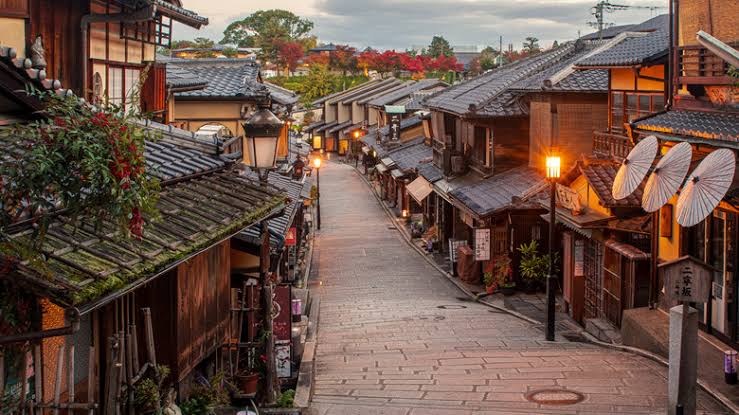
Some places become important to us without ever appearing remarkable to anyone else. A small café on a quiet street, an old neighborhood park, or a familiar bus stop may seem ordinary, yet these locations often hold memories that remain meaningful for years. Their importance comes not from beautiful architecture or popular attractions but from the experiences, conversations, and emotions connected to them.
People naturally associate memories with particular surroundings. A familiar smell, an unexpected sound, or a recognizable street corner can bring back moments that seemed forgotten. These connections explain why ordinary places sometimes become more emotionally valuable than famous destinations. They represent personal histories that cannot be recreated simply by visiting somewhere new.
Familiar Streets and Their Emotional Connections
Neighborhood streets often become silent witnesses to different stages of life. The road someone walked to school, the corner where childhood friends gathered, or the route taken to a first job can carry powerful emotional associations. Although these streets may change over time, their significance remains connected to the experiences that happened there.
Returning to an old neighborhood can reveal how personal perspectives have evolved. Buildings that once appeared enormous may now seem surprisingly small, while familiar pathways can bring back memories of people who are no longer part of everyday life. Even ordinary details, such as a particular tree or storefront, may create a strong feeling of nostalgia.
These emotional connections demonstrate that meaningful places do not necessarily require extraordinary surroundings. Sometimes, their greatest value comes from the simple fact that they were part of everyday routines during important periods of personal growth.
Public Transportation and Memories of Everyday Journeys
Buses, trains, and railway stations are generally associated with practical travel rather than emotional experiences. However, daily journeys frequently become part of personal memories because they provide opportunities for observation, reflection, and unexpected interactions.
A particular train route might remind someone of their university years, while a bus stop could bring back memories of waiting with friends after school. Even a crowded railway platform can become meaningful when connected to an important reunion, farewell, or personal achievement.
People exploring unfamiliar cities often rely on a transportation guide to understand routes and travel options. Yet the emotional significance of transportation develops through the experiences surrounding these journeys. A simple commute can eventually become associated with independence, friendship, career development, or the excitement of discovering somewhere new.
These memories remind us that travel is not always about reaching an impressive destination. The journeys themselves can become important chapters in our personal stories.
Local Cafés and the Conversations We Remember
A neighborhood café may serve hundreds of customers every week, but each visitor can develop a different emotional connection with the same space. For one person, it might represent a peaceful morning routine. For another, it could be the place where an important friendship began or a meaningful conversation changed their perspective.
The familiar arrangement of tables, the sound of coffee being prepared, and the presence of regular customers can create a comforting sense of belonging. Over time, these small details become associated with particular moments and relationships.
Lifestyle discussions featured across Melbourne news and lifestyle platforms often explore the relationship between local culture, community spaces, and everyday experiences. Cafés, neighborhood markets, and small independent businesses contribute to this connection by providing familiar environments where people regularly interact.
What makes these places memorable is rarely their appearance alone. Their emotional importance develops through repeated visits, shared conversations, and the personal experiences that gradually become attached to them.
Childhood Parks and the Memories of Growing Up
Public parks and playgrounds frequently hold some of the strongest memories from childhood. A simple swing, a grassy field, or a familiar walking path can represent years of outdoor activities, family gatherings, and friendships.
Children often experience these environments differently from adults. A small playground can feel like an enormous adventure, while an ordinary tree may become the center of imaginative games. As people grow older, these locations can serve as reminders of a time when entertainment required little more than creativity and companionship.
Stories shared through a family blog Australia may highlight the emotional importance of local parks, weekend outings, and familiar recreational spaces. Such experiences demonstrate how family memories often develop through repeated activities rather than expensive holidays or elaborate celebrations.
Returning to these places later in life can create mixed emotions. The surroundings may look different, but familiar features can still bring back memories of childhood friendships, family traditions, and the freedom associated with growing up.
Small Shops and the Changing Character of Communities
Local grocery stores, bookstores, bakeries, and neighborhood markets often become important parts of community life. These businesses provide everyday necessities, but they also create opportunities for social interaction and familiarity.
A corner shop might remind someone of buying treats after school, while a local bookstore could represent the beginning of a lifelong interest in reading. Even a small market stall can become memorable when associated with regular conversations or family shopping traditions.
As neighborhoods develop, some familiar businesses eventually close or relocate. Their disappearance can create a sense of loss because people associate them with particular periods of their lives.
An Australian online publication covering community stories and cultural changes may explore how local businesses contribute to neighborhood identity. Beyond their commercial purpose, these establishments often become informal gathering places where personal relationships and shared memories develop naturally.
Their significance becomes especially noticeable when familiar surroundings begin to disappear.
Ordinary Places as Reminders of Personal Growth
Certain locations become meaningful because they represent moments of change. A library where someone prepared for important examinations, an office building where a career began, or a quiet bench where a difficult decision was made can hold lasting personal significance.
These places may appear completely ordinary to strangers, but they represent determination, uncertainty, achievement, or emotional growth to the people connected with them.
Revisiting such locations can encourage reflection. Someone may remember the challenges they faced, the ambitions they once had, or the decisions that influenced their future. The physical surroundings become reminders of personal development and changing priorities.
Interestingly, people do not always recognize the importance of these locations while experiencing them. Their meaning often becomes clearer years later, when ordinary moments can be viewed within the larger story of a person’s life.
Preserving Memories Without Holding Onto the Past
Although familiar places can carry strong emotional connections, their appearance rarely remains unchanged forever. Neighborhoods expand, businesses close, buildings are renovated, and public spaces evolve to meet changing community needs.
Preserving personal memories does not always require protecting every physical detail. Photographs, written reflections, family conversations, and shared stories can help maintain connections with meaningful locations even after they change.
Revisiting familiar surroundings can also provide opportunities to create new memories. A childhood park might eventually become a favorite destination for family outings, while an old neighborhood café may introduce someone to new friendships.
The emotional value of a place can therefore continue developing rather than remaining attached to a single moment in the past.
Conclusion
Extraordinary memories are not limited to famous landmarks, expensive destinations, or significant celebrations. They often develop in familiar streets, public transportation, neighborhood cafés, childhood parks, and small local businesses.
These ordinary surroundings become meaningful because they hold fragments of personal experiences, relationships, and individual growth. Their importance is shaped by what happened there and the emotions associated with those moments.
Recognizing the value of familiar places encourages greater appreciation for everyday life. Sometimes, the locations we pass without a second thought eventually become the places we remember most.