Alloy wheels are one of the most noticeable parts of a vehicle. They influence the overall appearance, support road performance, and contribute to the way a car presents itself. Over time, wheels can become damaged by kerbs, potholes, brake dust, road salt, moisture, and general driving conditions. Professional Alloy Refurbishment Loughton services help restore worn or damaged wheels by improving their finish, protecting the surface, and supporting long term vehicle presentation.
Why Alloy Wheels Become Damaged
Alloy wheels face constant exposure to the road. Kerb contact is one of the most common causes of visible damage, often leaving scratches, chips, and scuffed edges. Potholes can also create dents, distortion, or impact marks, especially when the vehicle is travelling at speed.
Environmental conditions add further wear. Rain, mud, grit, and road salt can weaken protective coatings if wheels are not maintained properly. Brake dust can also build up on the surface, creating staining and dullness. Over time, these factors can leave wheels looking tired and neglected.
Cosmetic Damage and Vehicle Appearance
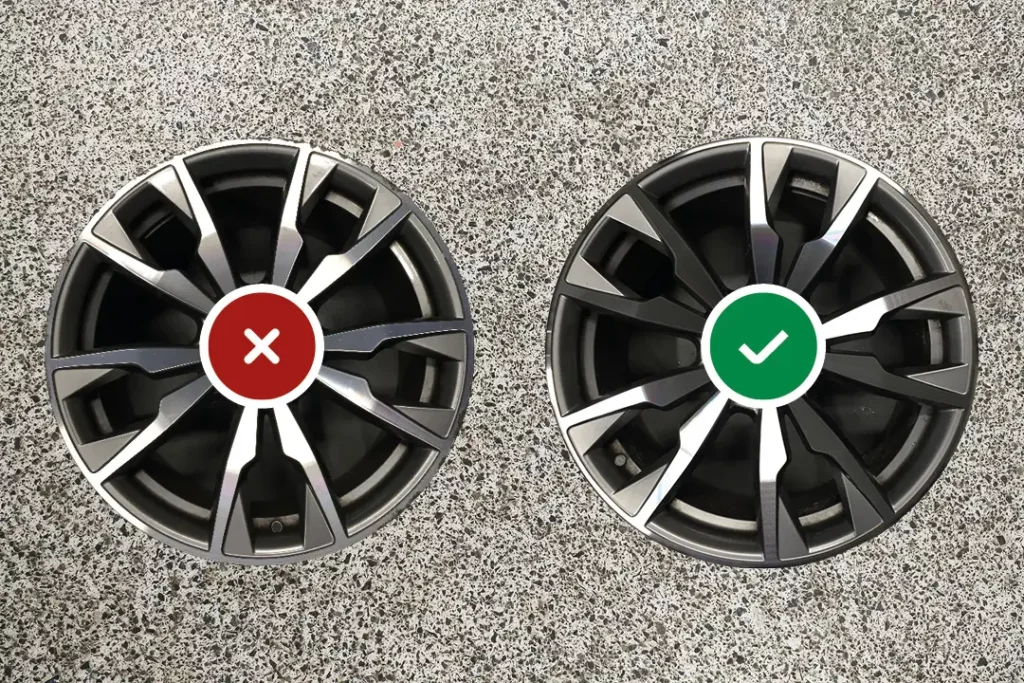
Even minor wheel damage can affect the overall look of a vehicle. A car with clean paintwork and good body condition may still appear poorly maintained if the wheels are scratched or corroded. This is why alloy refurbishment is often chosen by owners who want to improve presentation without changing the entire wheel set.
Restored wheels can make a vehicle look newer, cleaner, and better cared for. This is especially useful before selling a car, returning a lease vehicle, or improving daily driving appearance.
The Importance of Early Repair
Small wheel defects can become worse when left untreated. Once the protective surface is broken, moisture and road contaminants can reach the metal beneath. This may encourage corrosion, bubbling, and peeling around the damaged area.
Early refurbishment helps stop deterioration before it spreads. It can also reduce the need for more extensive repair work later. Maintaining wheels properly supports both appearance and durability.
Initial Wheel Inspection
A proper refurbishment process begins with inspection. Each wheel is assessed to identify the type and severity of damage. Scuffs, chips, corrosion, dents, and finish defects all require different repair approaches.
Inspection also helps determine whether the wheel is suitable for refurbishment. Cosmetic repairs are different from structural concerns, so wheels should be checked carefully before any refinishing work begins. This ensures that the selected repair method is appropriate.
Surface Preparation
Preparation is one of the most important stages of alloy refurbishment. Before refinishing begins, the wheel surface must be cleaned thoroughly to remove dirt, brake dust, grease, and loose material. Damaged coatings may need to be stripped or sanded back to create a stable base.
Scuffed or rough areas are smoothed carefully. Corrosion must be treated correctly so it does not continue beneath the new finish. Good preparation supports a cleaner result and helps the new coating bond properly.
Repairing Kerb Damage
Kerb damage usually affects the outer edge of the wheel. Depending on severity, the damaged area may be reshaped, smoothed, and refinished. The aim is to restore a consistent profile and remove visible scuff marks.
Careful repair is important because the wheel edge is highly visible. Poorly finished repairs may leave uneven surfaces or visible marks. Professional refurbishment focuses on restoring the wheel without making the repaired area stand out.
Dealing With Corrosion
Corrosion is common on alloy wheels, particularly where protective coatings have failed. It may appear as bubbling, flaking, or rough patches beneath the finish. If left untreated, corrosion can spread and make the wheel look increasingly worn.
During refurbishment, affected areas are cleaned and treated before the new finish is applied. This helps reduce the chance of corrosion returning quickly and supports a longer lasting result.
Refinishing and Colour Options
Once repairs and preparation are complete, refinishing begins. Wheels may be restored to their original colour or finished in a different shade depending on preference. Common finishes include silver, grey, black, gloss, satin, and other manufacturer inspired colours.
A consistent finish across all wheels is important. If only one wheel is refurbished, colour matching should be considered so it does not appear noticeably different from the others. If a full set is refinished, the vehicle can gain a refreshed and more uniform appearance.
Protective Coatings
The final coating plays an important role in durability. A protective finish helps defend the wheel against moisture, brake dust, road grime, and everyday contamination. It also makes cleaning easier by creating a smoother surface.
Good protective coatings do not make wheels immune to damage, but they help maintain appearance for longer when combined with regular care.
Benefits of Refurbishment
Alloy refurbishment offers several practical benefits. It improves vehicle appearance, helps maintain value, protects the wheel surface, and can reduce the need for replacement in many cases. For owners who want their vehicle to look cleaner without major changes, wheel refurbishment is a sensible option.
It can also improve pride of ownership. Clean, well finished wheels contribute to a more complete and polished vehicle appearance.
Refurbishment Compared With Replacement
Replacing alloy wheels can be costly, especially when only the finish is damaged. Refurbishment is often a practical alternative when the wheel remains structurally sound. It allows the existing wheel to be restored rather than replaced unnecessarily.
However, replacement may still be required where damage is severe or where safety is affected. This is why inspection remains essential before deciding on the best route.
Maintenance After Refurbishment
After refurbishment, proper care helps preserve the finish. Regular cleaning removes brake dust and road grime before they become embedded. Suitable wheel cleaning products should be used, as harsh chemicals can damage protective coatings.
Drivers should also avoid abrasive brushes that may scratch the finish. Gentle cleaning, careful parking, and periodic inspection can help keep refurbished wheels looking better for longer.
Impact on Resale Value
Wheel condition can influence how a vehicle is perceived by potential buyers. Damaged alloys may suggest neglect, while clean and well maintained wheels support a stronger first impression. Refurbishment can therefore help improve presentation before sale.
Although it may not change the mechanical value of a car, it can improve visual appeal and buyer confidence.
Common Signs Refurbishment Is Needed
There are several signs that wheels may benefit from refurbishment. These include kerb scuffs, peeling lacquer, surface corrosion, fading colour, chipped paint, staining, and rough edges. Wheels that look dull even after cleaning may also require refinishing.
Addressing these signs early helps protect the wheel and improves overall vehicle appearance.
Skilled Workmanship and Equipment
Good refurbishment depends on both equipment and experience. Tools help with preparation, smoothing, and refinishing, but skilled workmanship determines the quality of the final result. Understanding how different finishes react and how damage should be corrected is important.
A careful process produces a finish that looks clean, even, and suitable for long term use.
Conclusion
Alloy wheels are exposed to constant wear, making damage almost unavoidable over time. Refurbishment provides a practical way to restore appearance, treat surface damage, and protect wheels from further deterioration. From inspection and preparation to refinishing and aftercare, each stage contributes to the quality of the result. Professional Alloy Refurbishment Loughton services help maintain vehicle presentation, support long term value, and keep wheels looking cleaner, smarter, and better protected during everyday driving.