
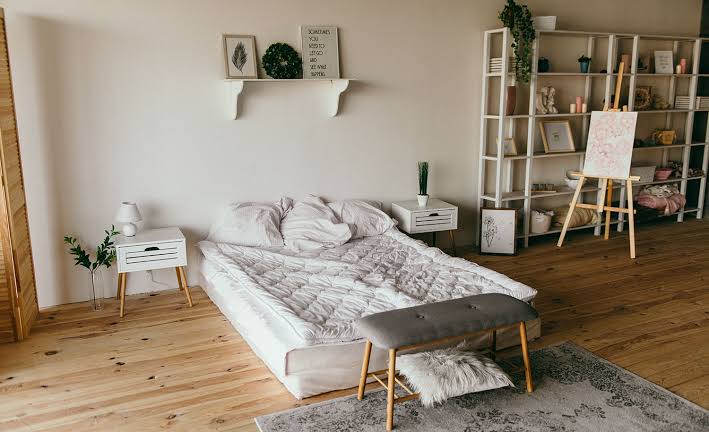
Modern lifestyles often encourage people to collect more possessions, accept additional responsibilities, and fill every available moment with activity. Over time, this accumulation can make daily life feel unnecessarily complicated. A crowded home, an overloaded schedule, or constant digital distractions can gradually affect concentration and personal satisfaction. Creating space for what matters involves recognizing these patterns and making thoughtful adjustments that support a more comfortable and meaningful lifestyle.
Reducing clutter is not simply about throwing away unwanted belongings. It is about understanding which possessions, commitments, and habits genuinely contribute to everyday well-being. When people become more intentional about what they keep and where they direct their attention, they can create an environment that supports clearer thinking and better decisions.
Understanding the Connection Between Clutter and Mental Clarity
Physical surroundings can influence the way people approach everyday responsibilities. A desk covered with unnecessary papers, an overcrowded wardrobe, or a kitchen filled with unused equipment may create distractions that make simple activities feel more demanding.
Organizing these spaces can reduce the effort required to find important belongings and complete routine tasks. A cleaner environment also makes it easier to establish practical systems that prevent unnecessary accumulation.
Lifestyle discussions across platforms such as SydHub Australia frequently reflect broader interests in practical living, household organization, and personal improvement. These subjects highlight the growing importance of creating comfortable environments that support everyday needs rather than simply following changing lifestyle trends.
Making Thoughtful Decisions About Personal Belongings
One of the most effective approaches to reducing clutter is evaluating possessions according to their usefulness and personal significance. Instead of focusing exclusively on the number of items owned, individuals can consider whether those belongings serve a meaningful purpose.
For example, clothing that no longer fits, outdated paperwork, and duplicate household products often occupy valuable storage space without providing practical benefits. Reviewing these items periodically helps prevent unnecessary accumulation.
However, thoughtful organization does not require adopting an extremely minimalist lifestyle. Sentimental belongings, collections, and decorative objects can still have an important place in the home. The objective is to create a balance between personal expression and practical organization.
Readers exploring lifestyle ideas through glid.com.au may also appreciate the value of simple household adjustments that improve comfort without requiring major financial investments or extensive renovations.
Creating Breathing Room in Everyday Schedules
Clutter is not limited to physical possessions. Busy calendars, excessive commitments, and unrealistic expectations can create similar feelings of pressure. When every available hour is occupied, finding time for rest, reflection, and personal interests becomes increasingly difficult.
Reviewing regular commitments can reveal activities that no longer align with current priorities. Some responsibilities remain essential, while others may be adjusted, delegated, or discontinued.
Establishing reasonable boundaries also helps protect time for meaningful activities. Whether someone enjoys reading, spending time outdoors, or connecting with family, maintaining space for these experiences can contribute to a more satisfying routine.
Digital platforms and professional communities, including OutreachRangers, also reflect the importance of purposeful communication and organized workflows. Managing information effectively can help individuals and professionals direct attention toward activities that produce meaningful results.
Reducing Digital Distractions for Better Focus
Digital clutter has become another important consideration in modern life. Unread emails, unnecessary applications, repeated notifications, and excessive online content can compete for attention throughout the day.
Creating a more manageable digital environment begins with reviewing notification settings, organizing important files, and removing applications that no longer serve a useful purpose. These adjustments can make technology feel more supportive rather than demanding.
Lifestyle conversations associated with Melbwire Melbourne can also connect with broader discussions about digital habits, productivity, and maintaining balance in connected communities. Technology remains valuable, but using it intentionally allows people to enjoy its advantages without allowing constant interruptions to dominate their routines.
Building Lasting Habits That Prevent Clutter
Maintaining an organized lifestyle requires consistency rather than occasional large cleaning efforts. Returning belongings to designated locations, reviewing purchases carefully, and setting aside time for routine organization can help prevent clutter from returning.
It is equally important to recognize that personal priorities change. A household arrangement that worked several years ago may no longer suit current responsibilities or interests. Regularly reassessing spaces and routines allows individuals to make adjustments without unnecessary pressure.
Recognizing the Emotional Side of Decluttering
Decluttering can become difficult when personal belongings carry emotional significance. Certain objects remind people of meaningful experiences, important relationships, or different stages of life. An old photograph, a childhood gift, or a piece of furniture inherited from a family member may hold memories that cannot be measured by practical usefulness alone.
Understanding these emotional connections can make the organizing process more comfortable. Instead of immediately discarding sentimental possessions, individuals can identify which belongings genuinely represent meaningful memories. Creating a dedicated storage area for treasured items allows people to preserve personal connections without allowing unnecessary clutter to occupy their entire living space.
Creating Functional Spaces That Support Daily Activities
An organized home becomes more valuable when individual spaces serve clear purposes. Rather than arranging rooms exclusively for appearance, homeowners can consider how different areas support their everyday routines. A comfortable reading corner, an accessible workspace, or a properly arranged kitchen can make ordinary activities more enjoyable and efficient.
Storage solutions should also reflect actual household needs. Frequently used belongings are generally easier to manage when they remain accessible, while seasonal equipment and occasional necessities can be stored separately. This practical arrangement reduces unnecessary searching and helps maintain order without requiring constant attention.
Appreciating Experiences Over Unnecessary Accumulation
Creating a less cluttered lifestyle also involves reconsidering the relationship between purchasing decisions and personal satisfaction. Buying new products can provide temporary excitement, but repeated purchases do not necessarily contribute to lasting happiness. Sometimes, meaningful experiences offer greater personal value than acquiring additional belongings.
Spending time with loved ones, exploring unfamiliar places, learning practical skills, or developing creative interests can provide satisfaction without increasing household clutter. These activities encourage individuals to invest their resources in experiences that reflect their values and interests.
Conclusion
Creating space for what matters is ultimately about making everyday life more intentional. Reducing unnecessary possessions, managing commitments, and limiting digital distractions can support a calmer environment and clearer thinking. Rather than pursuing perfection, individuals can focus on practical improvements that reflect their personal priorities. Small, consistent changes can gradually create more room for comfort, meaningful experiences, and the activities that deserve genuine attention.