Audi vehicles are designed to deliver a refined blend of performance, efficiency, and advanced technology. Whether it is a compact city hatchback, executive saloon, performance RS model, or a modern electric vehicle, every Audi depends on proper maintenance to preserve reliability and driving quality. This is why many owners researching Audi Servicing & Repairs Hertfordshire prioritise specialist care that understands the demands of the brand.
Servicing and repairs work together to protect vehicle condition. Routine maintenance helps prevent faults from developing, while timely repairs restore performance and avoid larger mechanical failures. Together, they support both ownership satisfaction and long-term value.
Why Specialist Audi Care Matters
Modern Audi vehicles combine mechanical engineering with increasingly complex software systems. Engine management, transmission control, driver assistance features, infotainment, suspension calibration, and battery systems often interact with each other.
Because of this integration, effective servicing and repairs require:
- Manufacturer-compatible diagnostics
- Knowledge of Audi engineering systems
- Familiarity with common platform issues
- Correct fluids and parts
- Accurate fault tracing procedures
General maintenance approaches may not always meet these technical requirements.
Routine Servicing Fundamentals
Routine servicing remains one of the most effective ways to preserve vehicle health. Even when no symptoms are visible, wear and degradation occur over time.
A typical service may include:
- Engine oil and filter replacement
- Brake fluid inspection
- Air filter replacement
- Cabin filter renewal
- Coolant inspection
- Battery testing
- Tyre and pressure checks
- Diagnostic scanning
This preventative approach helps identify developing concerns before they become expensive repairs.
Engine Maintenance and Repairs
Audi engines are known for strong performance and efficient design, but all engines require ongoing attention.
Common repair or maintenance areas include:
- Oil leaks from seals and gaskets
- Carbon accumulation in direct injection engines
- Ignition coil failures
- Timing chain concerns in selected models
- Turbocharger efficiency issues
- Cooling system faults
Addressing these concerns early protects engine reliability and helps maintain smooth performance.
Transmission and Drivetrain Support
Audi transmission systems, especially S tronic dual-clutch gearboxes, require regular servicing to maintain shift quality and component health.
Important maintenance may include:
- Gearbox oil servicing
- Mechatronic diagnostics
- Differential fluid replacement
- Quattro system inspection
- Drivetrain vibration assessment
Neglecting transmission care can lead to poor drivability, increased wear, and expensive future repairs.
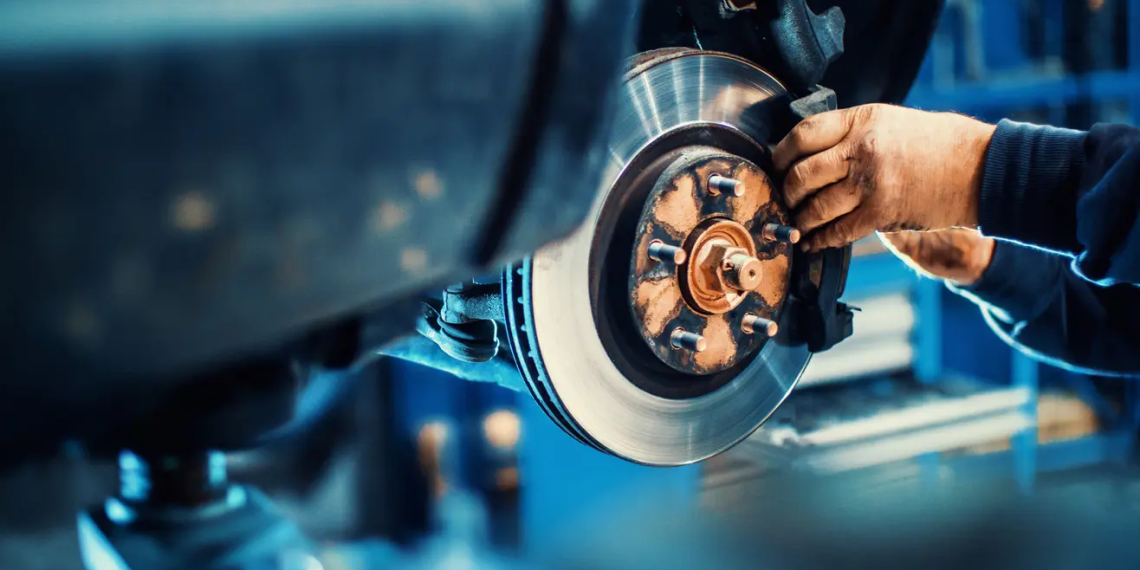
Brake System Maintenance
Audi brake systems are designed for confident stopping performance, but wear occurs naturally over time.
Brake-related servicing may involve:
- Pad and disc inspections
- Brake fluid replacement
- ABS diagnostics
- Caliper health checks
- Electronic parking brake servicing
Consistent maintenance helps preserve braking efficiency and driver confidence.
Suspension and Steering Repairs
Ride comfort and handling stability are central to the Audi ownership experience. Suspension wear may reduce both comfort and precision gradually.
Common areas of concern include:
- Control arm bush wear
- Damper deterioration
- Steering joint wear
- Uneven tyre wear caused by alignment shifts
- Adaptive suspension calibration concerns
Timely suspension repairs help restore original vehicle dynamics.
Electrical and Diagnostic Capability
Modern Audi vehicles depend heavily on electronic control systems. Warning lights often indicate broader system concerns rather than isolated faults.
Advanced diagnostics can help identify:
- Sensor communication issues
- Battery management concerns
- Engine management faults
- Infotainment errors
- Driver assistance calibration issues
For those considering Audi Servicing & Repairs Hertfordshire solutions, diagnostic capability is often a key deciding factor.
Older Audi Models and Preventative Maintenance
Older Audi vehicles benefit from careful preventative servicing even when mileage is relatively low. Time affects components as much as mileage.
Areas commonly monitored include:
- Fluid condition
- Cooling system integrity
- Rubber seals and hoses
- Electrical connections
- Suspension wear
Preventative maintenance helps older vehicles remain reliable while avoiding sudden failures.
Supporting Hybrid and Electric Models
Audi’s newer hybrid and electric vehicles introduce different servicing requirements. Battery systems, regenerative braking, charging components, and thermal management systems require specialist understanding.
Maintenance may involve:
- Battery health checks
- Charging system diagnostics
- Cooling circuit monitoring
- High-voltage safety inspections
This level of complexity highlights the importance of technical expertise.
Repairing Issues Before They Escalate
One of the most valuable aspects of regular servicing is early issue detection. Small faults often become larger repairs if left unresolved.
Examples include:
- Minor oil leaks becoming major gasket repairs
- Worn bushes leading to tyre replacement costs
- Low coolant resulting in overheating risks
- Battery weakness causing wider electrical issues
Early intervention helps reduce long-term ownership costs.
Preserving Vehicle Value
Audi vehicles generally retain stronger resale appeal when maintenance records show consistent care. Buyers often value evidence of specialist servicing and responsible repairs.
Helpful records include:
- Service history documentation
- Repair invoices
- Evidence of preventative maintenance
- Correct fluid and parts usage
Well-documented care helps support buyer confidence.
Driving Quality and Ownership Experience
Routine servicing and timely repairs help preserve what owners enjoy most about Audi vehicles.
A properly maintained Audi should feel:
- Smooth during acceleration
- Stable under braking
- Composed over uneven roads
- Responsive through steering input
- Quiet and refined mechanically
Maintenance protects these qualities and supports ownership satisfaction.
Tailored Maintenance Planning
Different Audi vehicles require different maintenance strategies depending on usage and model type.
Important considerations include:
- Mileage
- Fuel type or electric drivetrain
- Urban or motorway usage
- Driving style
- Vehicle age
Tailored servicing plans often provide better results than generic maintenance intervals.
Conclusion
Audi vehicles combine engineering sophistication with comfort and performance, but maintaining those qualities requires proper care. Routine servicing helps prevent faults, while timely repairs restore reliability and performance when issues arise.
From diagnostics and engine maintenance to suspension care and drivetrain servicing, specialist attention helps preserve both vehicle condition and ownership enjoyment. Choosing informed maintenance ensures that Audi vehicles continue delivering the driving experience they were built to provide.