
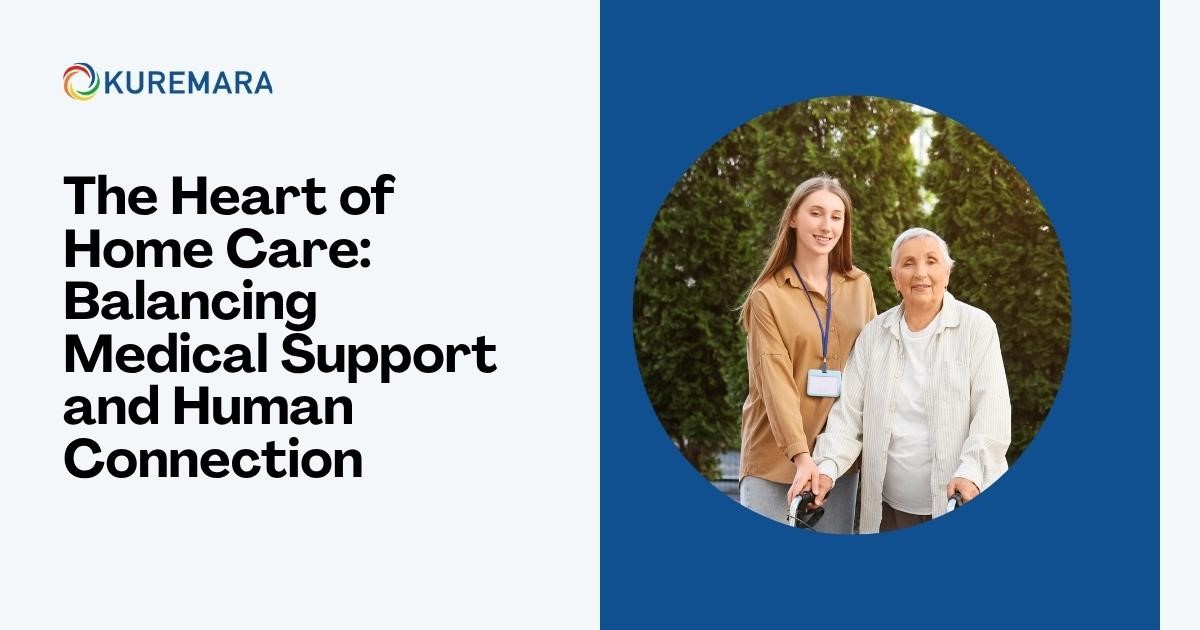
Every person deserves care that recognizes their individuality, not just their medical condition. True home care combines professional expertise with emotional warmth, ensuring that every client feels supported, respected, and understood.
Across the UK, more families are choosing home-based services because they provide a balance of safety, familiarity, and dignity. Whether someone requires clinical assistance for a long-term health condition or simply values companionship to brighten each day, the right care can transform everyday life into something more meaningful.
Why Home Care Matters
For many people, the idea of staying in their own home brings comfort and reassurance. It means maintaining routines, enjoying familiar surroundings, and staying close to loved ones. Home care allows this independence while ensuring professional assistance is always available when needed.
Care at home is no longer limited to personal support like dressing or meal preparation. It now includes advanced health management, emotional well-being programs, and personalized companionship, all delivered with compassion and professionalism.
Benefits of Home-Based Support
- Comfort and Familiarity: Living in a known environment reduces anxiety and confusion.
- Personal Choice: Clients decide how, when, and where support is provided.
- Continuity: Consistent carers create trusting, lasting relationships.
- Family Inclusion: Loved ones remain involved without the strain of full-time care.
- Enhanced Wellbeing: Emotional, social, and physical health are nurtured together.
Home care is not just about assistance, it’s about empowerment.
Understanding Complex Needs
Some individuals live with long-term or high-dependency conditions that require clinical oversight. They may have physical disabilities, neurological disorders, or long-term illnesses that make daily life challenging.
Complex Care is designed specifically for these situations. It integrates healthcare expertise into home life, providing hospital-level support without removing the comfort and security of familiar surroundings.
Professionally trained carers often working alongside nurses or multidisciplinary teams deliver treatments such as medication administration, catheter care, ventilator management, or rehabilitation exercises.
This approach ensures that individuals can continue living safely at home while receiving the same quality of care they would expect from a medical facility. It’s about blending advanced skill with compassion, turning homes into places of healing and hope.
The Emotional Side of Professional Care
Physical well-being is only one part of the picture. Emotional connection and social interaction are equally essential for maintaining a healthy, balanced life.
Isolation is one of the most common issues faced by older adults or people living with disabilities. The absence of regular conversation or shared activity can lead to loneliness, anxiety, and even cognitive decline. That’s why professional Companionship care has become such a vital component of home-based services.
Companionship carers do more than assist with tasks; they bring conversation, laughter, and humanity into everyday life. They may share meals, accompany clients to community events, or simply sit together for tea and conversation. These moments foster confidence and joy, reminding clients that they are valued individuals, not just patients.
Combining Medical Care with Emotional Support
The most effective care plans recognize that physical health and emotional well-being are deeply connected. Someone managing a chronic illness may also need encouragement to stay active and socially engaged, while a person feeling lonely might experience declining motivation or appetite.
Combining clinical expertise with companionship helps maintain balance. Skilled carers can monitor health conditions while providing emotional reassurance, ensuring holistic care that nurtures body and mind alike.
For example:
- A person recovering from surgery might receive daily medical support while enjoying social activities to rebuild confidence.
- Someone living with a neurological condition could have a nurse-supervised care plan paired with regular companionship visits for emotional well-being.
This integrated approach makes care both effective and deeply human.
The Role of Families in the Care Journey
Families are at the heart of home care. Their involvement, understanding, and reassurance make every care plan stronger. Professional carers often work as extensions of the family unit, sharing updates, coordinating appointments, and celebrating progress together.
Transparent communication helps build trust. Families who stay informed about daily routines, changes in health, or emotional well-being can make more confident decisions for their loved ones.
When families and carers collaborate closely, it creates a circle of support that surrounds the individual with compassion, consistency, and understanding.
Creating Personalized Care Plans
Every person’s situation is unique, which is why care must be tailored individually. The best home-care providers begin with detailed assessments covering health needs, preferences, mobility levels, and personal interests.
A personalized care plan may include:
- Medical care: Monitoring and treatment for ongoing conditions.
- Daily living assistance: Help with meals, dressing, and hygiene.
- Social engagement: Outings, hobbies, or cultural activities.
- Family liaison: Regular communication to provide reassurance.
- Emotional support: Encouragement, empathy, and friendship.
The plan evolves over time to adapt to changing needs, ensuring continuity and stability without losing flexibility.
Professional Standards and Compassionate Care
The foundation of great home care lies in professionalism backed by empathy. Carers are more than service providers; they are trusted companions who bring comfort, security, and dignity into people’s lives.
Providers in the UK operate under strict quality frameworks, ensuring carers receive comprehensive training in safety, confidentiality, and clinical procedures. Continuous supervision and upskilling mean that clients always receive care aligned with the latest standards and best practices.
Equally important, carers are chosen for their compassion, the ability to listen, understand, and make every person feel seen and heard.
Technology Supporting Modern Care
Technology has become a valuable ally in enhancing safety and communication. Digital tools make care more transparent and efficient, allowing families and professionals to stay connected.
Examples of Innovations
- Digital Care Records: Track progress and ensure accountability.
- Telehealth Services: Enable remote medical consultations.
- Smart Home Devices: Monitor mobility or send safety alerts.
- Video Calls: Keep families close even from afar.
These advancements complement human care, ensuring no detail is missed while maintaining the personal touch that makes home care so meaningful.
Building Confidence and Trust
For individuals receiving home care, trust is everything. It’s built over time through reliability, respect, and consistency. Seeing the same friendly faces each day creates stability and reassurance.
Carers who arrive on time, communicate clearly, and respect privacy turn routines into relationships. They become part of daily life, someone who knows the client’s favorite tea, preferred music, or how they like to spend quiet afternoons.
This sense of familiarity transforms care from a clinical service into a trusted partnership based on empathy and understanding.
The Positive Ripple Effect of Quality Care
When individuals feel supported, families thrive too. Reduced stress, improved health, and renewed emotional balance benefit everyone involved.
Good care also contributes to broader community wellbeing. It allows people to stay active participants in society, attending events, maintaining friendships, and pursuing hobbies.
In essence, home care creates independence, not dependency. It empowers people to live fully, confidently, and with purpose, whatever their health challenges may be.
The Future of Home-Based Support
As life expectancy increases and more people choose to age at home, the demand for professional care will continue to grow. The future of home care lies in combining medical precision with emotional intelligence, ensuring that every person receives comprehensive, compassionate, and individualized support.
We can expect greater collaboration between healthcare professionals, carers, and technology platforms, creating smoother, safer, and more personalized care experiences.
Yet, amid all progress, one truth remains constant: care begins and ends with kindness.
Conclusion
True care goes beyond tasks and treatments. It’s about listening, understanding, and empowering individuals to live the way they choose.
Whether through advanced medical assistance or heartfelt companionship, home care allows people to remain where they feel most secure, surrounded by their memories, independence, and the warmth of human connection.
In every home, care should not only heal but uplift. Because when professionalism meets compassion, lives are not just supported, they are enriched.