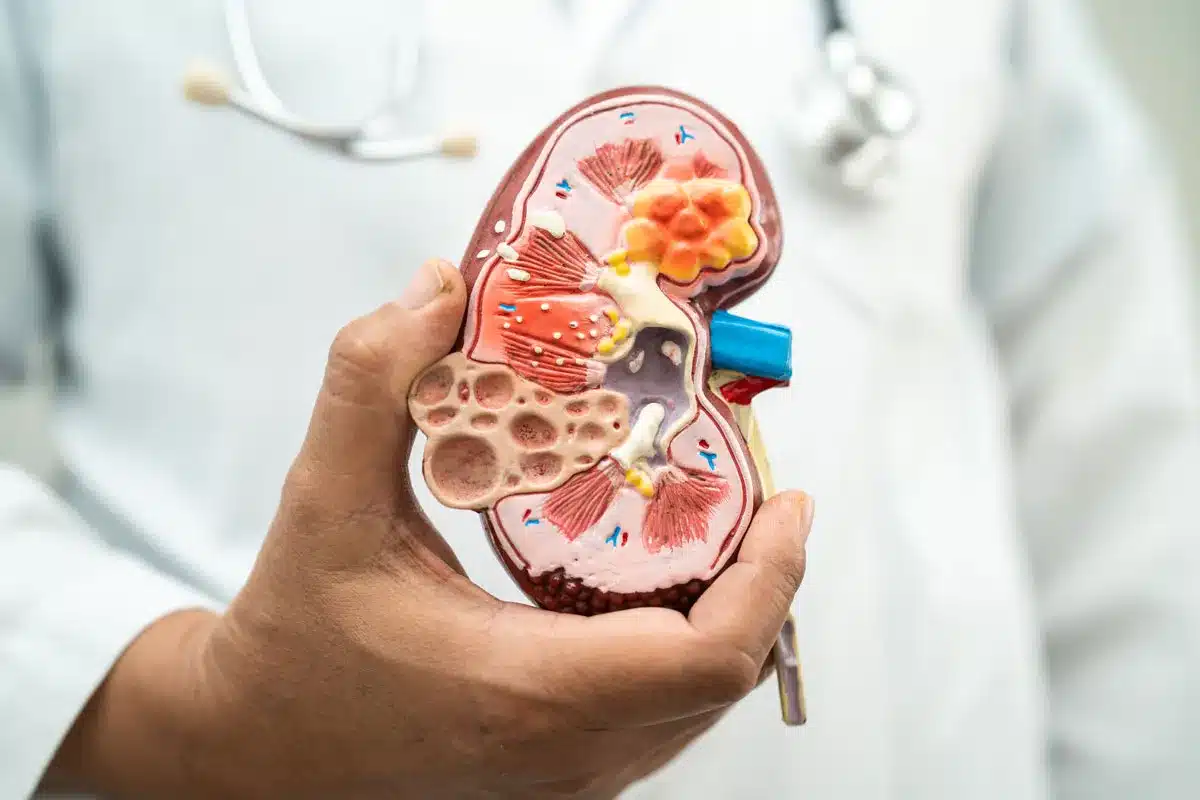
Your kidneys do quiet work that shapes how you feel every single day. Energy, swelling, blood pressure, bathroom patterns, and even your appetite can all whisper something about how well your internal filters are handling the load. Kidney Care Practices matter because kidney strain often builds silently, long before pain or obvious warning signs show up. In the USA, where high blood pressure, diabetes, ultra-processed meals, and busy routines are part of daily life for millions, protecting your kidneys cannot wait until a lab result sounds the alarm. Early kidney disease may have no signs, which is why people with risk factors need testing and steady prevention habits.
Healthy kidneys do not ask for strange cleanses or extreme diets. They respond better to steady choices: blood pressure control, blood sugar control, smart hydration, lower sodium, safer medicine use, and regular checkups when risk is higher. Those choices may sound ordinary. That is the point. The habits that protect better body filtration are not dramatic; they are repeatable enough to survive a normal American week filled with work, errands, takeout, family stress, and imperfect meals.
Daily Habits That Protect Kidney Function
Strong kidney health starts with what you repeat, not what you do once after a scare. A person can drink a large bottle of water after a salty dinner and still miss the bigger issue: kidneys need a daily environment where blood pressure, blood sugar, fluid balance, and waste handling stay within a safer range. The goal is not perfection. The goal is fewer avoidable hits over time.
Kidney health habits that work in real life
Good kidney health habits begin with blood pressure because pressure is not only a heart issue. High blood pressure can damage the small blood vessels inside the kidneys, making filtration harder over time. The CDC notes that managing risk factors such as high blood pressure and diabetes can help prevent chronic kidney disease.
A practical routine looks less glamorous than most wellness advice. Check your blood pressure if your doctor recommends it, keep follow-up appointments, take prescribed medicine as directed, and pay attention to patterns instead of single readings. One high number after a stressful drive does not tell the whole story, but repeated high numbers deserve action.
Movement also belongs in this conversation, though not as punishment for eating the wrong lunch. Walking after dinner, strength training twice a week, yard work, cycling, or swimming can help with blood pressure, blood sugar, and weight control. The NIDDK lists physical activity, weight management, quitting smoking, stress management, and eating with less sodium as ways to help slow or prevent kidney disease tied to high blood pressure.
Better body filtration starts before symptoms
Better body filtration depends on early awareness because kidney trouble often hides. Many people wait for pain, but kidneys can lose function without sending dramatic signals. That is why testing matters more than guesswork, especially for people with diabetes, high blood pressure, heart disease, or a family history of kidney failure. The NIDDK names those conditions as major kidney disease risk factors.
Testing is not a sign that something has already gone wrong. It is a way to catch small changes while there is still room to protect kidney function. Common checks may include blood tests for kidney filtration and urine tests for protein, depending on your health history and clinician’s advice.
A useful example is a middle-aged office worker in Texas with slightly high blood pressure and no symptoms. He may feel fine, but regular screening can reveal whether his kidneys are under pressure. That information changes the conversation from vague worry to a clear plan.
Food Choices That Make Kidney Work Easier
Food affects kidney function every day because the kidneys help manage fluid, minerals, acid balance, and waste from what the body breaks down. The mistake is thinking kidney-friendly eating means bland plates or expensive specialty foods. For many Americans, the biggest wins come from cutting sodium surprises, balancing protein, and making ordinary meals less punishing.
Healthy kidneys need less sodium pressure
Healthy kidneys handle sodium, but constant overload makes the job harder, especially when blood pressure is already high. The National Kidney Foundation notes that limiting sodium to less than 2,300 mg per day is important for people with chronic kidney disease, especially those with high blood pressure, though individual targets may vary by health condition.
Most sodium does not come from the saltshaker. It hides in deli meat, canned soup, frozen meals, fast food, sauces, boxed rice mixes, pizza, chips, and restaurant portions. A “healthy-looking” turkey sandwich can carry more sodium than a homemade dinner if the bread, meat, cheese, and condiment all bring salt to the plate.
The better move is not panic. Read labels, compare brands, rinse canned beans, choose lower-sodium broths, and season with garlic, lemon, vinegar, pepper, herbs, or salt-free blends. Taste adjusts faster than people expect when the change happens gradually.
Protein should support strength, not overload the plate
Protein matters for muscle, healing, and fullness, but more is not always smarter. People with existing kidney disease may need guidance on protein amounts because protein breakdown creates waste the kidneys must handle. The National Kidney Foundation includes moderate protein intake among steps for people with kidney disease.
The American habit of stacking protein into every meal can get lopsided fast: eggs at breakfast, a double burger at lunch, a large steak at dinner, then a shake after the gym. A healthier pattern spreads protein across the day and makes room for fiber-rich foods such as vegetables, beans, lentils, oats, berries, and whole grains.
Plant-based proteins deserve a place on the plate, but they do not need a halo. Beans, lentils, tofu, nuts, seeds, and whole grains can help replace some processed meats and heavy portions of red meat. That shift often brings more fiber and less saturated fat, which helps the whole body work with less friction.
Hydration, Medicine, and Hidden Kidney Stress
Kidney care gets tricky because some risks look harmless from the outside. A pain pill taken often, a sports drink treated like water, a weekend of heavy salty meals, or dehydration during summer heat can all add strain. None of these choices makes someone careless. They are common because they feel normal.
Kidney function support through smarter hydration
Kidney function support does not mean forcing gallons of water. It means staying hydrated enough for your body, climate, activity level, and health status. For many people, water is the best regular drink, but hydration can also come from foods and other low-sugar drinks. The National Kidney Foundation notes that people with advanced chronic kidney disease or kidney failure may need fluid limits, especially if they make little or no urine.
A construction worker in Arizona, a nurse on a long shift, and a retiree on dialysis do not need the same fluid advice. That is where blanket internet rules fail. Thirst, urine color, sweating, medication use, and medical conditions all matter.
Sugary drinks deserve a tougher look. Soda, sweet tea, energy drinks, and oversized juice servings can push blood sugar and weight in the wrong direction, which circles back to kidney risk. Hydration should help the body, not sneak in a dessert under a health label.
Pain relievers and supplements deserve caution
Medicine can protect health, but casual overuse can create trouble. Nonsteroidal anti-inflammatory drugs, often called NSAIDs, can be risky for kidney health in some situations, especially for people with kidney disease or related risk factors. The National Kidney Foundation advises people with kidney disease to avoid NSAIDs unless their healthcare professional says otherwise.
This matters because NSAIDs are everywhere in American homes: bathroom cabinets, gym bags, desk drawers, and travel kits. People take them for back pain, headaches, cramps, sore knees, and weekend sports injuries. The danger is not one responsible dose for every person; the concern is repeated, unsupervised use when the kidneys already have less room for stress.
Supplements deserve the same adult treatment. “Natural” does not mean kidney-safe, and high-dose products can interact with medicines or affect mineral balance. Bring supplement bottles to your medical visits, especially if you have high blood pressure, diabetes, kidney stones, kidney disease, or take prescription medication.
Kidney Care Practices for Long-Term Prevention
The strongest prevention plan is boring in the best way. It connects home routines, lab checks, food choices, movement, sleep, and medication safety into one steady pattern. Kidney Care Practices become powerful when they stop being a short-term project and become part of how you run your life.
Screening turns silent risk into clear action
Screening gives you information before guesswork takes over. The CDC says early chronic kidney disease has no signs or symptoms, and people at risk should get tested. That advice matters because kidney disease found later leaves fewer options and more anxiety.
People with diabetes should pay special attention. The NIDDK says reaching blood glucose goals, controlling blood pressure, healthy lifestyle habits, and taking medicines as prescribed can help slow or prevent diabetes-related kidney disease.
A good appointment does not end with “your labs are fine.” Ask what your kidney numbers mean, whether urine protein was checked, how often you should repeat testing, and what blood pressure target fits your health profile. Those questions turn a routine visit into a prevention tool.
Healthy kidneys need a whole-body plan
Healthy kidneys do not live apart from the rest of you. Sleep, stress, smoking, weight, heart health, and daily food choices all shape the pressure placed on your filters. A person cannot protect kidney health with water alone while ignoring uncontrolled blood pressure or blood sugar.
Smoking deserves direct mention because it damages blood vessels and worsens overall cardiovascular risk. Quitting is not easy, and nobody needs a lecture from a screen. Still, if kidney protection is the goal, tobacco has no honest place in the plan.
The better path is a simple weekly rhythm: plan two lower-sodium dinners, walk most days, keep water nearby, limit sugary drinks, review medications, and schedule checkups before symptoms force the issue. Small steps count when they happen often enough.
Conclusion
Kidney health rewards the people who act before trouble gets loud. That may feel unfair because the work is invisible, but invisible work is still work. Blood pressure control, blood sugar control, lower sodium meals, steady hydration, safer pain relief choices, and timely testing form a quiet defense that protects your body long before a crisis has a chance to take over.
Kidney Care Practices should never feel like a punishment plan. They should feel like basic maintenance for a body you expect to carry you through workdays, family demands, travel, workouts, aging, and ordinary life in the USA. The smartest move is not waiting for a dramatic warning sign. It is building habits that lower strain while you still feel well.
Start with one measurable step this week: check your blood pressure, book a kidney screening if you are at risk, or replace one high-sodium meal with a fresher option. Your kidneys do not need a grand gesture; they need proof that you are paying attention.
Frequently Asked Questions
What are the best kidney health habits for adults in the USA?
Control blood pressure, manage blood sugar, lower sodium, stay active, avoid smoking, drink fluids wisely, and get kidney testing if you have risk factors. These habits work best together because kidney health is tied closely to heart health, diabetes risk, and daily food patterns.
How can better body filtration be supported naturally?
Support comes from steady choices, not detox trends. Drink enough fluids for your needs, eat lower-sodium meals, keep blood pressure in range, move your body, and avoid frequent unsupervised NSAID use. Your kidneys already filter waste; your job is to reduce unnecessary strain.
What foods help maintain healthy kidneys every day?
Fresh fruits, vegetables, whole grains, beans, lentils, moderate portions of lean protein, and lower-sodium meals can support kidney-friendly eating. People with diagnosed kidney disease may need personal limits on potassium, phosphorus, protein, or fluids, so medical guidance matters.
How often should kidney function be checked?
People with diabetes, high blood pressure, heart disease, family history of kidney failure, or known kidney issues should ask their clinician about regular testing. Many at-risk adults need blood and urine checks because early kidney disease can develop without obvious symptoms.
Can drinking more water improve kidney function support?
Enough water can help normal kidney work, but more is not always better. Fluid needs change with activity, heat, health conditions, and medications. People with advanced kidney disease or dialysis care may need fluid limits, so personal medical advice matters.
Are pain relievers bad for kidney care?
Some pain relievers, especially NSAIDs, can raise kidney risk for people with kidney disease or related conditions. Occasional use may be acceptable for some adults, but repeated use without medical guidance is risky. Ask a clinician about safer options if you need pain relief often.
What are early signs of kidney problems?
Early kidney disease often has no clear signs. Later warning signs may include swelling, fatigue, changes in urination, foamy urine, nausea, high blood pressure, or shortness of breath. Testing is safer than waiting for symptoms, especially if you already have risk factors.
Do kidney detox drinks actually help healthy kidneys?
Detox drinks are not needed for healthy kidneys. Your kidneys filter blood continuously when they are working well. A safer plan is boring but effective: manage blood pressure, eat less sodium, control diabetes risk, hydrate wisely, and get checked when risk is higher.