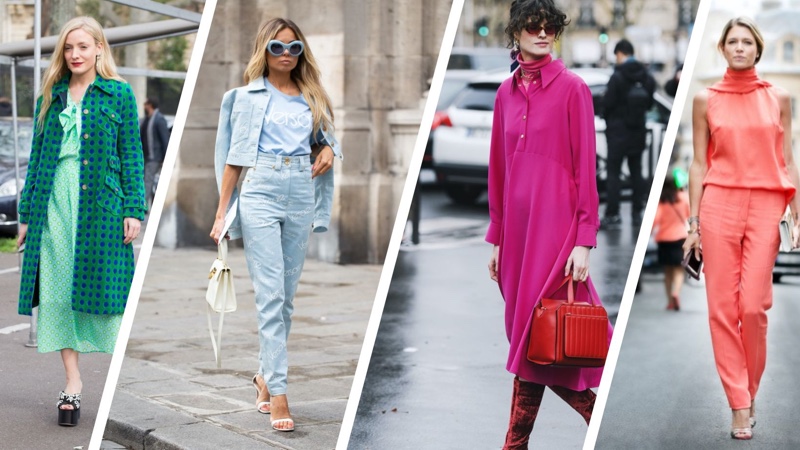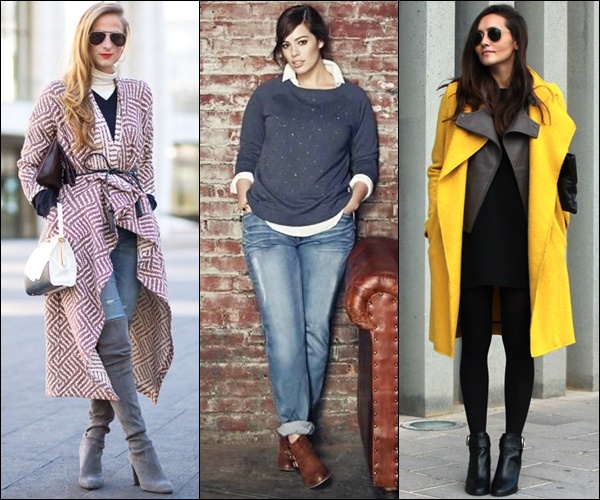
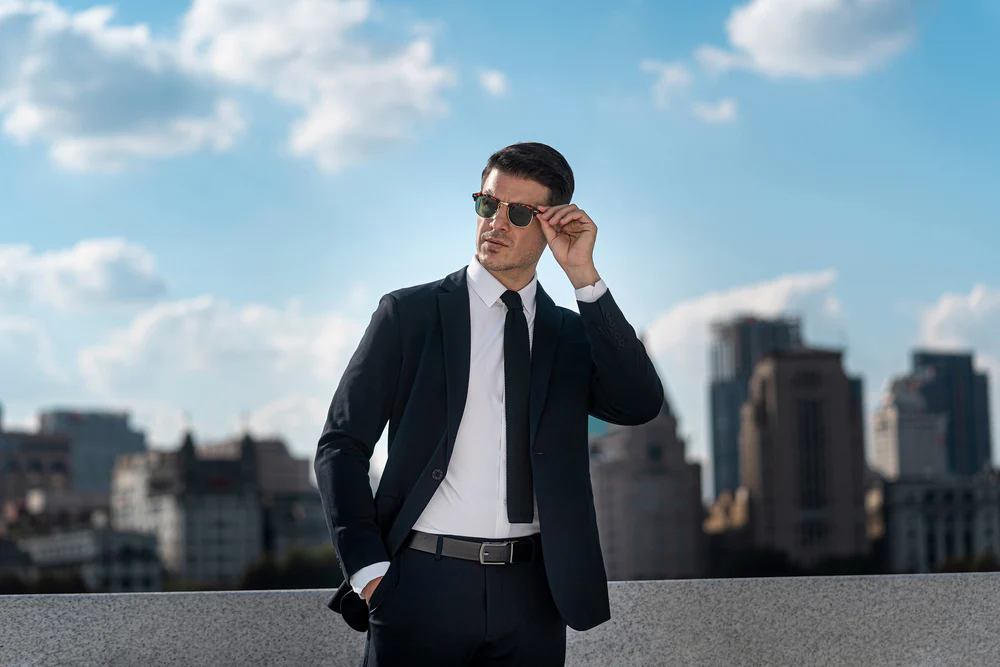
A strong outfit can change the way a room responds before you say a word. People may not admit it, but they read fabric, fit, grooming, shoes, and posture faster than they read a résumé. Smart Dressing Habits matter because American work culture now blends office days, video calls, client lunches, hybrid schedules, and after-hours networking into one long visual test. Dressing well is not about buying expensive clothes or copying a style influencer. It is about looking prepared for the room you are entering.
A polished image also protects your attention. When your clothes fit the setting, you stop adjusting your cuffs, second-guessing your shoes, or wondering whether your outfit looks too casual. That confidence gives you room to focus on the meeting, the pitch, the interview, or the conversation in front of you. For professionals building visibility in the USA, modern brand presence is not only digital. It shows up in the way you carry yourself, too.
Smart Dressing Habits That Build Instant Workplace Credibility
Clothing sends signals before your work gets judged. That can feel unfair, but ignoring it does not make it disappear. In many American workplaces, the best-dressed person is not always the flashiest person. It is usually the one whose outfit looks intentional, clean, current, and suited to the moment.
Why fit beats price in professional stylish appearance
A modest blazer that fits your shoulders will always beat a designer jacket that pulls at the buttons. Fit is the quiet detail that makes clothes look chosen instead of thrown together. Sleeves should end near the wrist bone, trousers should break cleanly at the shoe, and shirts should sit close enough to shape the body without clinging.
This matters even more in hybrid work. A shirt that looks fine while standing may bunch strangely on a video call. A jacket that feels sharp in a mirror may look stiff when you sit through a client presentation. Test your clothes in the positions you actually work in, not only in the dressing room.
Professional stylish appearance grows from restraint. The goal is not to impress people with labels. The goal is to make them feel that you understand context, standards, and detail.
Office dressing tips for choosing the right level of formality
Most workplace mistakes happen when people dress for the job title instead of the room. A tech office in Austin may welcome clean sneakers and a knit polo, while a legal office in Chicago may still expect leather shoes and a structured jacket. Neither setting is wrong. The mistake is refusing to read the room.
Office dressing tips should begin with observation. Notice what respected people in your workplace wear on ordinary days, client days, and presentation days. Their clothing will tell you where the real standard sits.
A useful rule is to dress half a step sharper than the average person in the room. Not two steps. That can look like performance. Half a step says you care without announcing it too loudly.
Building a Wardrobe That Works Before You Think About Trends
A dependable wardrobe does not need to be large. It needs to be clear. The best professional closets work like a small team where every piece has a role, and nothing sits there waiting for a fantasy version of your life.
Workplace outfit ideas that save time on busy mornings
Strong workplace outfit ideas often begin with repeatable formulas. A navy blazer, white shirt, gray trousers, and brown loafers can cover a meeting-heavy day. A knit polo, tailored chinos, and clean leather sneakers can work for a business-casual office. A midi dress with a structured jacket can move from desk to dinner without feeling overbuilt.
The key is to create combinations before the morning rush. When your closet already has three reliable formulas, you do not waste energy trying to build a personality at 7:15 a.m.
Keep one “pressure outfit” ready. That means a complete look for interviews, client visits, leadership meetings, or surprise formal moments. When the calendar changes, you will not scramble.
How polished workwear style depends on fabric and care
Polished workwear style is less about dramatic fashion and more about quiet maintenance. Wrinkled cotton, stretched collars, scuffed shoes, and tired hems can make good clothes look careless. A simple steamer, shoe brush, lint roller, and tailor can do more for your image than another impulse purchase.
Fabric also decides how professional your outfit feels by noon. Thin materials wrinkle fast, cling under office lighting, and lose shape after a commute. Mid-weight cotton, wool blends, ponte knits, structured denim, and quality twill tend to hold up better through long workdays.
Care is part of style. Nobody sees the time you spent pressing a shirt, but they see the result immediately.
Dressing for Your Role Without Losing Your Personal Style
Professional clothing should not erase your personality. It should edit it. The best-dressed professionals know how to bring in personal taste without making the outfit compete with the work they are there to do.
Professional stylish appearance with color, texture, and restraint
Color can sharpen your presence when it is used with control. Navy, charcoal, camel, olive, cream, white, black, and soft blue create a strong base for most professional wardrobes. Once that base works, add personality through one element at a time: a patterned scarf, textured blazer, burgundy shoe, silk blouse, or clean watch.
Texture often looks more expensive than color. A ribbed knit under a blazer, a wool trouser, a suede loafer, or a matte leather belt adds depth without shouting. That is why restrained outfits often age better than trend-heavy ones.
The counterintuitive truth is that memorable style often comes from removing one thing. Before leaving, check whether your outfit has a single clear point of interest. If everything asks for attention, nothing looks confident.
Office dressing tips for remote, hybrid, and client-facing days
Remote work changed professional style, but it did not kill it. The camera still frames your face, shoulders, neckline, grooming, and background. A clean sweater, structured cardigan, sharp collar, or simple jacket can make you look more present without feeling dressed for a courtroom.
Hybrid days need more planning because they often mix errands, commuting, meetings, and casual team time. Choose clothes that move well, resist wrinkles, and still look complete when you remove a jacket. Shoes matter here because they carry the outfit from casual to considered.
Client-facing days deserve the most careful reading. A creative client may respect a more expressive look, while a finance client may trust classic lines faster. Dress to reduce friction between your message and their expectations.
Turning Good Clothing Choices Into a Daily Reputation
Style becomes powerful when it stops feeling like an event. A person who dresses well once may get a compliment. A person who dresses well consistently builds a reputation for care, discipline, and self-respect.
Polished workwear style through grooming and small details
Grooming completes what clothing starts. Clean hair, cared-for nails, fresh breath, neat facial hair, and subtle fragrance shape how close-range interactions feel. These details may seem small, but professional life often happens at conversational distance.
Accessories should support the outfit, not distract from it. A clean belt, simple watch, structured bag, and well-kept shoes can make everyday clothing feel finished. Loud accessories can work in some fields, but they need intention and balance.
Polished workwear style also depends on consistency. If your Monday outfit looks sharp but your Thursday outfit looks abandoned, people notice the gap. Reliable presentation builds trust slowly, then protects it.
Workplace outfit ideas for interviews, promotions, and networking
Interviews require clarity. Wear something that makes the interviewer focus on your answers, not your outfit. For many American professional settings, that means a tailored jacket, clean shirt or blouse, polished shoes, and colors that photograph well under office lighting.
Promotion conversations call for a slightly more authoritative version of your normal style. Do not dress like someone else overnight. Instead, sharpen the pieces people already associate with you. Better fit, cleaner lines, stronger shoes, and a more finished layer can shift the message without making it feel staged.
Networking outfits need warmth. You want to look approachable, not sealed off. A softer color, textured layer, open collar, or tasteful accessory can make you easier to talk to while still keeping the professional line intact.
Conclusion
Your wardrobe should make your day easier, not turn every morning into a negotiation. The smartest move is to stop treating professional style as a separate performance and start treating it as daily preparation. Clothes cannot replace skill, kindness, punctuality, or judgment, but they can help those qualities land faster.
Smart Dressing Habits give you control over the first impression while leaving room for your work to carry the conversation. Build outfits that fit your role, respect your setting, and still feel like you. Keep the clothes clean, the shoes cared for, the colors intentional, and the details calm.
Start with one full workweek of outfits that need no apology, no tugging, and no second-guessing. When your clothing stops asking for attention, your presence can finally do the talking.
Frequently Asked Questions
What are the best smart dressing habits for work?
Start with fit, clean shoes, wrinkle-free clothes, and outfits that match your workplace setting. Build a few repeatable combinations so your mornings feel easier. Strong work style comes from consistency, not from chasing every new trend.
How can I improve professional stylish appearance on a budget?
Spend first on tailoring, shoe care, and versatile basics. A well-fitted affordable blazer often looks better than an expensive one with poor proportions. Choose neutral colors, durable fabrics, and pieces that work across several outfits.
What are easy workplace outfit ideas for business casual offices?
Pair tailored chinos or trousers with a knit polo, button-down shirt, blouse, cardigan, or relaxed blazer. Clean loafers, ankle boots, or minimal leather sneakers can finish the look. Keep the outfit neat rather than overly formal.
How do office dressing tips change for hybrid work?
Hybrid work needs clothes that look sharp on camera and stay comfortable during commuting. Focus on clean necklines, structured layers, wrinkle-resistant fabrics, and shoes that suit both office time and movement between locations.
What colors look most professional in American workplaces?
Navy, charcoal, black, white, cream, camel, olive, gray, and soft blue work well in most offices. These colors mix easily and create a calm base. Add stronger colors through small accents when the setting allows it.
How does polished workwear style affect first impressions?
People often read clothing before they hear your ideas. Clean, well-fitted workwear suggests preparation and attention to detail. That does not guarantee success, but it can make others more ready to trust your judgment.
What should I avoid wearing in a professional setting?
Avoid wrinkled clothes, scuffed shoes, visible stains, poor fit, overpowering fragrance, and outfits that ignore the room’s formality. Overly casual pieces can work in some offices, but they still need to look clean and intentional.
How can I dress professionally without losing personal style?
Keep the structure professional, then add personality through color, texture, jewelry, shoes, or one standout detail. The outfit should still support your role. Personal style works best when it feels edited, not forced.