
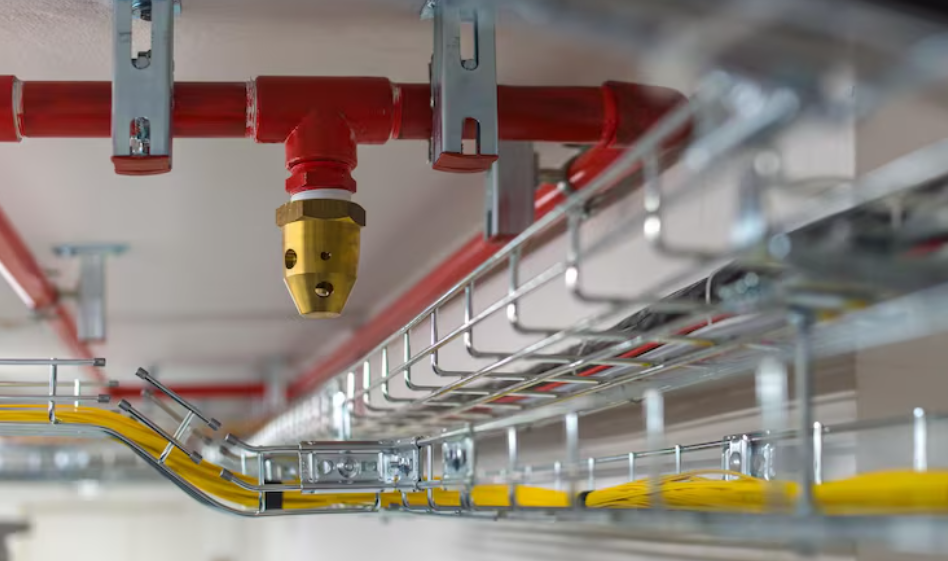
Fire safety is an important part of protecting any commercial property. Offices, retail spaces, warehouses, apartment buildings, and other business facilities can contain many areas where fire and smoke may spread quickly. A properly installed fire-stopping system helps limit this spread by sealing openings and gaps in walls, floors, ceilings, and other fire-rated structures. This gives people more time to leave the building and helps reduce damage to the property.
Understanding a Fire-Stopping System
A fire-stopping system is designed to prevent fire, heat, and smoke from moving through hidden spaces and openings in a building. Commercial properties often have cables, pipes, ducts, and other services passing through walls and floors. These openings can create pathways for fire to travel between different areas.
A suitable fire-stopping system uses specially designed materials to seal these openings while maintaining the fire-resistance of the surrounding structure. Depending on the application, these materials may include fire-resistant sealants, collars, wraps, boards, or other tested solutions.
Limiting the Spread of Fire and Smoke
One of the main benefits of a fire-stopping system is its ability to slow the movement of fire and smoke. When a fire starts, flames and smoke can move rapidly through gaps around building services. If these openings are not properly protected, the fire may reach other rooms or floors more quickly.
By sealing these vulnerable areas, a fire-stopping system can help maintain the separation between different parts of a building. This can support safer evacuation and help keep the fire contained for a longer period.
Supporting Safer Evacuation
In a commercial property, employees, customers, visitors, and other occupants may need time to reach a safe location during a fire. Smoke can make evacuation especially difficult by reducing visibility and affecting breathing.
A properly installed fire-stopping system helps control the movement of smoke between protected areas. By keeping certain escape routes and sections of the building protected for longer, fire-stopping measures can contribute to safer evacuation conditions.
Protecting Valuable Property and Equipment
Commercial buildings often contain expensive equipment, documents, inventory, technology, and other important assets. Fire can cause significant damage when it spreads beyond the area where it started.
A fire-stopping system can help restrict the movement of flames and smoke between different sections of a property. This may help reduce the area directly affected by a fire and provide additional protection for valuable spaces and equipment.
Choosing and Maintaining the Right System
The right fire-stopping system depends on the design and construction of the commercial property. Different openings and building services may require different fire-stopping solutions. Materials should be selected according to their intended use and installed according to relevant specifications.
Regular inspections are also important. Building changes, new cables, pipes, or maintenance work can create new openings that need to be properly sealed. Checking existing fire-stopping measures can help ensure that protection remains effective over time.
Conclusion
A fire-stopping system is an important part of a commercial property’s overall fire safety strategy. By sealing openings and helping control the movement of fire and smoke, it can support safer evacuation and help protect different areas of a building. Proper selection, professional installation, and regular inspection can help maintain this protection and contribute to a safer commercial environment.